Trauma

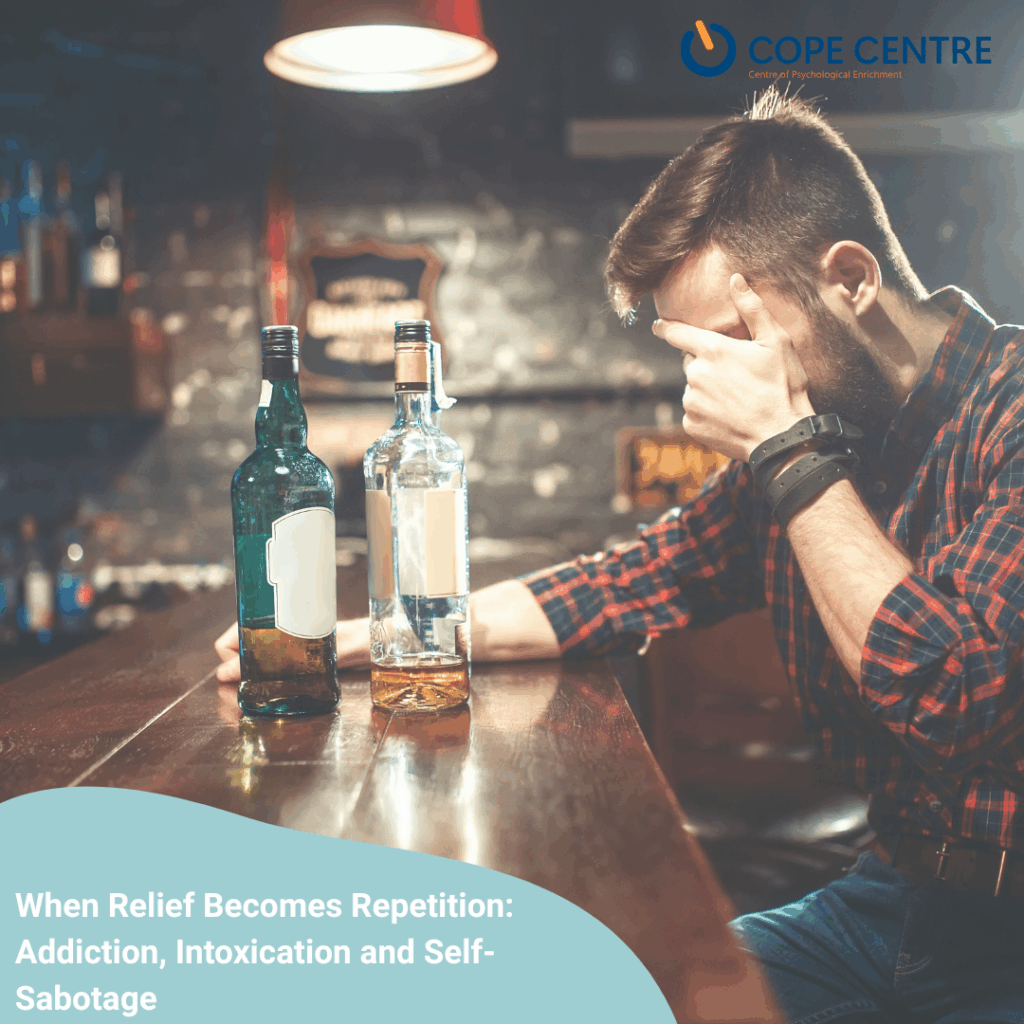
When Relief Becomes Repetition: Addiction, Intoxication and Self-Sabotage

Alcohol, drugs and gambling can begin as sources of pleasure, excitement or social connection. Over time, however, they may become ways of escaping emotional pain, quietening an anxious mind, avoiding loneliness or temporarily becoming someone who feels more confident, powerful or free.

When Relief Becomes Repetition: Addiction, Intoxication and Self-Sabotage Read More »

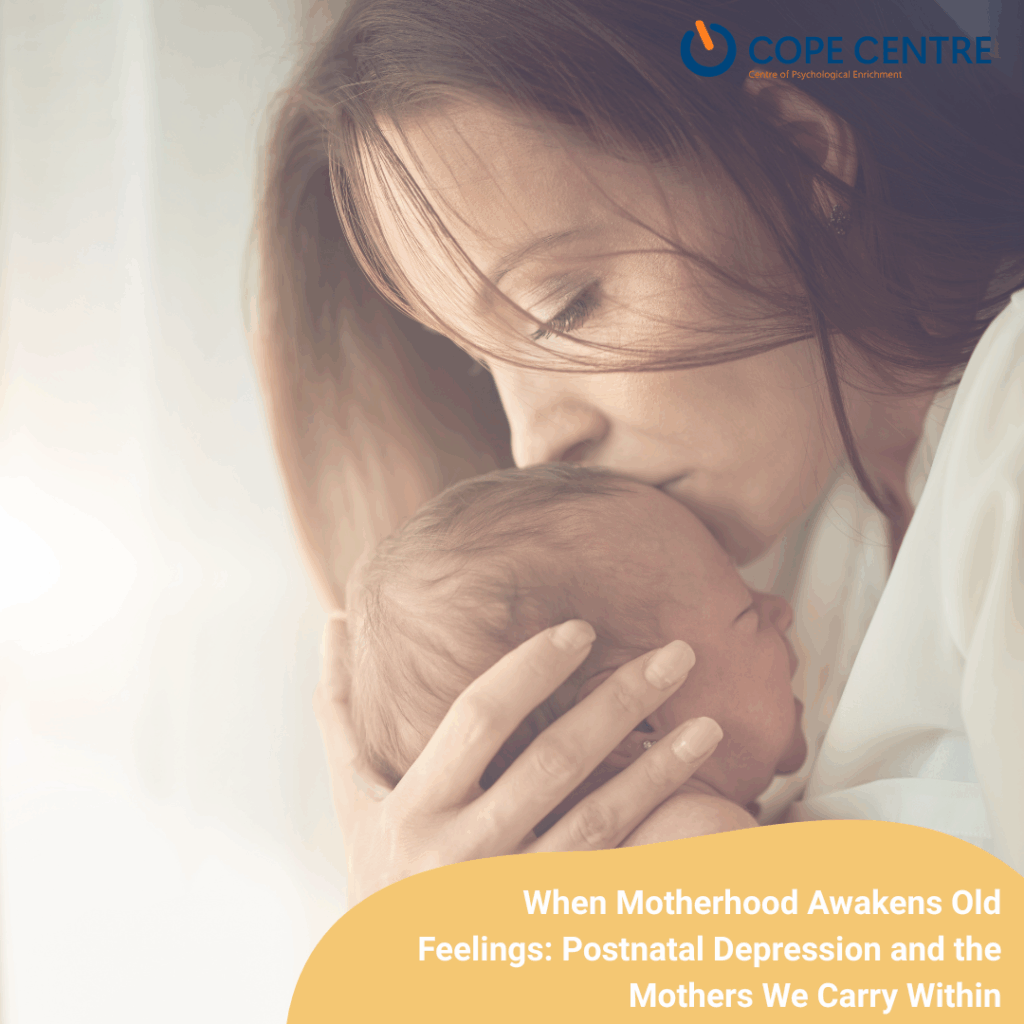
When Motherhood Awakens Old Feelings: Postnatal Depression and the Mothers We Carry Within

Becoming a mother is often imagined as a time of immediate love, fulfilment and connection. For many women, however, the postnatal period can also bring exhaustion, anxiety, sadness, anger, guilt or a frightening sense of disconnection.
Postnatal depression affects approximately one in seven women following the birth of a baby. It may involve persistent low mood, loss of pleasure, irritability, hopelessness, difficulty sleeping even when the baby is asleep, feelings of worthlessness, or feeling disconnected from the baby and other people. From a psychodynamic perspective, becoming a mother can also awaken powerful feelings connected to a woman’s own experience of having been cared for.

When Motherhood Awakens Old Feelings: Postnatal Depression and the Mothers We Carry Within Read More »

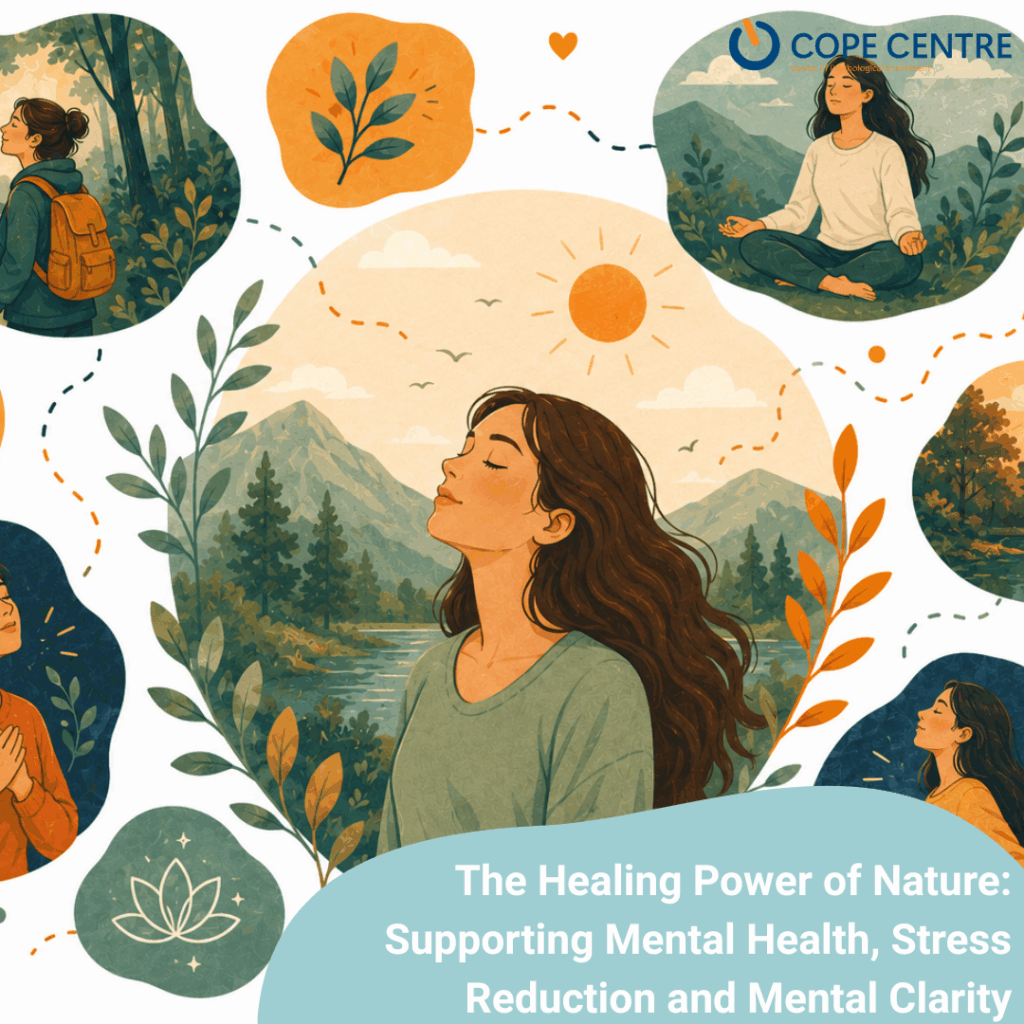
The Healing Power of Nature: Supporting Mental Health, Stress Reduction and Mental Clarity

Modern life is often fast-paced, overstimulating, and mentally demanding, leaving many people feeling emotionally depleted and cognitively fatigued. Increasing research suggests that one of the most accessible and effective ways to support mental wellbeing is through reconnection with nature. Time spent in natural environments—or even brief sensory engagement with natural elements—can help reduce stress, restore attention, and support emotional regulation by allowing the nervous system to settle and recover from ongoing demands.

From a psychological perspective, exposure to nature is linked with reduced physiological stress responses and improved cognitive functioning. Theories such as Stress Recovery Theory and Attention Restoration Theory help explain how natural environments promote calmness, reduce mental fatigue, and restore the capacity for focused attention. Even indirect experiences of nature, such as viewing greenery, listening to natural sounds, or engaging with natural imagery, have been shown to provide measurable benefits for mood and stress levels.

For many individuals, nature also offers a grounding and regulating space that can gently support emotional balance, particularly during periods of overwhelm, anxiety, or recovery from stress. Rather than replacing clinical or therapeutic supports, it can act as a meaningful complement—helping to create moments of stillness, clarity, and reconnection in everyday life.

The Healing Power of Nature: Supporting Mental Health, Stress Reduction and Mental Clarity Read More »

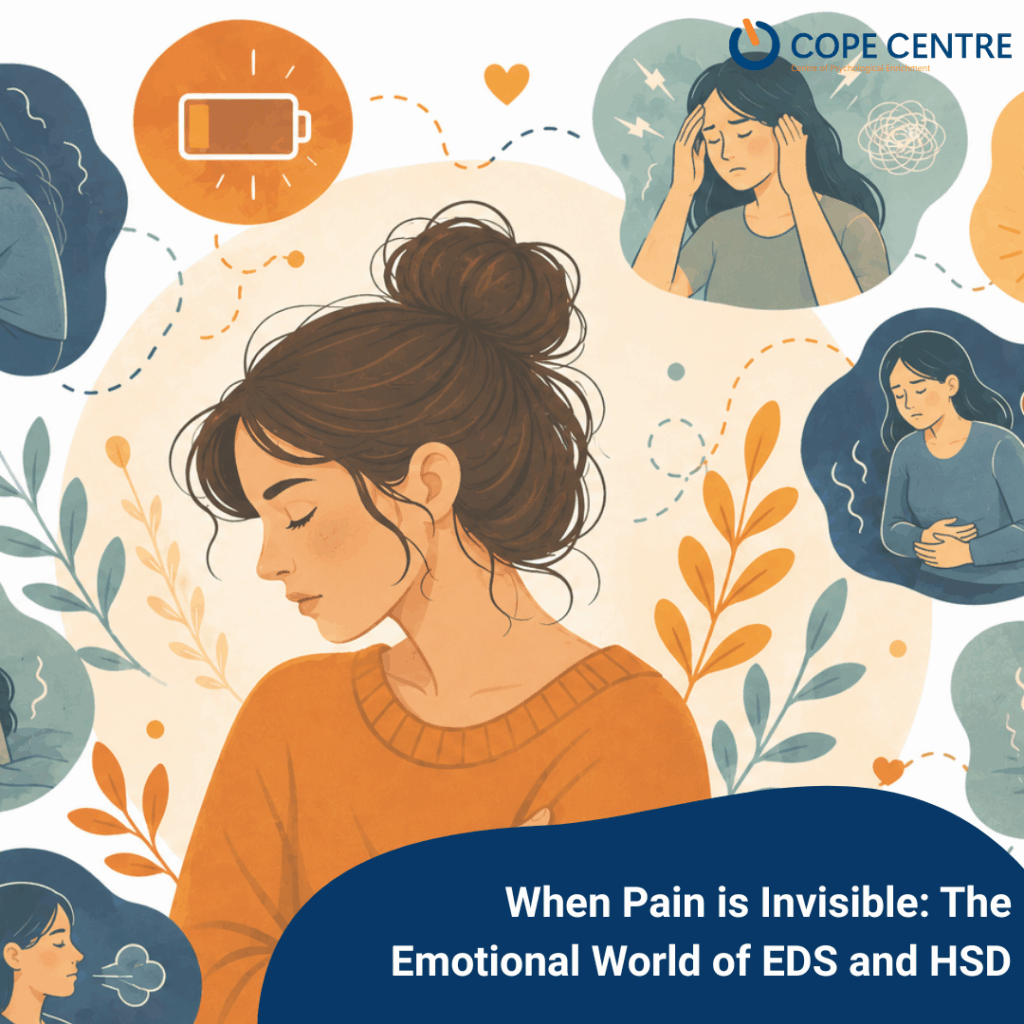
When Pain Is Invisible: The Emotional World of Ehlers-Danlos Syndrome (EDS) and Hypermobility Spectrum Disorders (HSD)

Living with EDS or HSD can mean living in a body that often feels unpredictable, painful, and misunderstood. While these conditions affect the body physically, they can also deeply impact emotional wellbeing, relationships, and a person’s sense of safety within themselves. Because symptoms are often invisible or fluctuate in severity, many individuals experience disbelief, minimisation, or pressure to “push through” despite ongoing pain and exhaustion. Over time, this can erode self-trust and create feelings of isolation, shame, and emotional fatigue.

The emotional burden of invisible illness is often carried quietly. Many people living with EDS or HSD describe grieving the life they expected to have while navigating the pressure to remain productive, independent, and outwardly “well.” Constantly monitoring for pain, flare-ups, or physical instability can leave the nervous system in a heightened state of vigilance, making rest and self-compassion feel difficult or undeserved.

At the heart of many invisible illnesses is a deep longing to be believed. Compassionate support, validation, and emotionally safe relationships can play an important role in helping individuals reconnect with their bodies, rebuild trust in themselves, and feel less alone in their experiences.

When Pain Is Invisible: The Emotional World of Ehlers-Danlos Syndrome (EDS) and Hypermobility Spectrum Disorders (HSD) Read More »

When Loss Hits Us: Understanding Grief

Grief is a deeply personal process that can impact every part of a person’s life. When we lose someone significant, it is not only the relationship that changes — our sense of identity, safety, and understanding of the world can shift as well. While grief is often associated with stages such as denial, anger, depression, and acceptance, every individual experiences loss differently, shaped by their own relationships, memories, and life experiences.

As support practitioners, approaching grief with empathy, patience, and understanding is essential. Healing is not linear, and the emotions connected to loss can appear in many ways throughout daily life. Through compassionate support, meaningful connection, and strong social networks, individuals can begin to process their grief, rebuild their sense of self, and find new ways to move forward while carrying the significance of those they have lost.

When Loss Hits Us: Understanding Grief Read More »

Understand Psychodynamic Therapy
Thinking about therapy but unsure where to start?
Download our free guide explaining:

We never send spam. Unsubscribe anytime.