Living in an Unpredictable Body
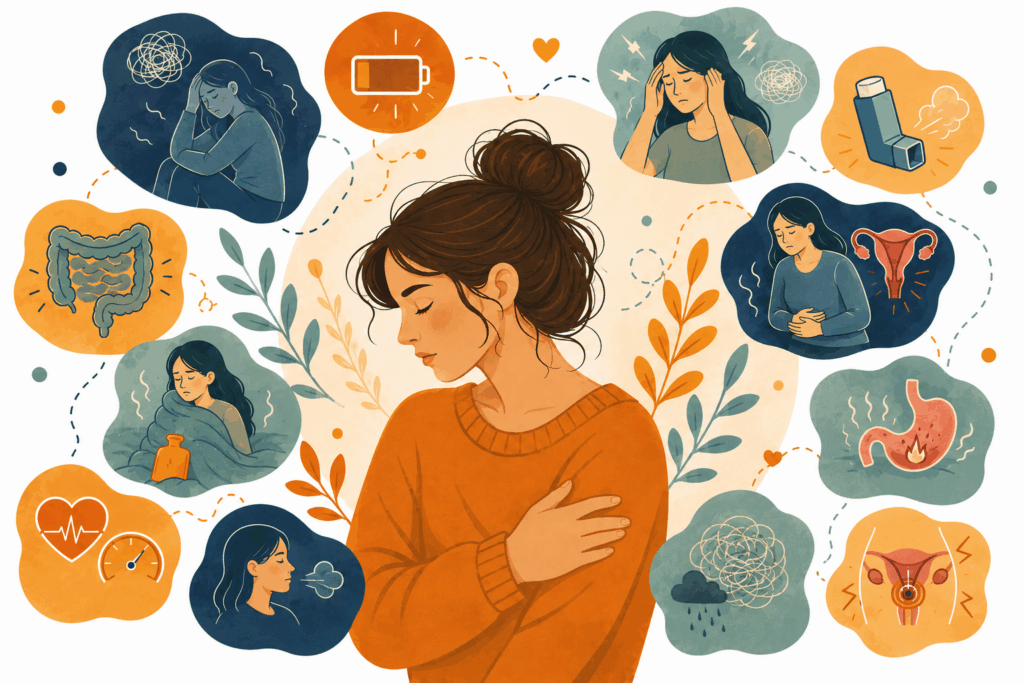
May is EDS and HSD Awareness Month, a time dedicated to increasing understanding of connective tissue disorders that are often misunderstood, under-recognised, and invisible to many. EDS and HSD can impact multiple systems within the body and are commonly associated with chronic pain, fatigue, gastrointestinal difficulties, autonomic dysfunction, and joint instability (The Ehlers-Danlos Society). While EDS and HSD are connective tissue disorders with biological underpinnings, the emotional experience of living in an unpredictable and often misunderstood body can profoundly shape a person’s sense of self, safety, and relationship to others.
For many individuals, the psychological burden of invisible illness is not only the experience of the pain itself, but the ongoing effort of carrying suffering that others cannot readily see or fully understand. Because symptoms may fluctuate in severity and are often not externally visible, individuals with EDS or HSD may encounter misunderstanding from medical professionals, workplaces, schools, family members, and even themselves. Over time, repeated experiences of minimisation or disbelief can quietly erode a person’s trust in their own internal reality, leading them to question, suppress, or push beyond their physical and emotional limits.
Living with chronic illness can create a persistent sense of uncertainty in the nervous system, particularly when the body has become associated with pain, unpredictability, or threat (van der Kolk, 2014). Symptoms may emerge unpredictably, plans may need to change suddenly, and the body itself can begin to feel unreliable or unsafe. Trauma psychiatrist Bessel van der Kolk (2014) writes that emotional experiences are not only psychological, but are also carried physiologically through the body and nervous system. When the body frequently experiences pain, exhaustion, or unpredictability, individuals may begin living in a heightened state of vigilance, constantly monitoring for signs of flare-ups, injury, or physical collapse.
The Emotional Burden of Invisible Illness
The emotional impact of this experience is often layered. Alongside pain and fatigue, many individuals living with invisible illness carry grief for the life they expected to have, guilt surrounding productivity or dependence on others, and shame about limitations that may not be immediately visible. In cultures that often equate worth with productivity, independence, and resilience, needing rest or support can become emotionally fraught (Maté & Maté, 2022). Individuals may push themselves beyond their physical limits in an effort to appear “normal”, avoid disappointing others, or maintain connection and belonging.
Invisible illness can also create a profound sense of isolation. Many individuals describe feeling caught between two realities: appearing outwardly functional while internally struggling with pain, exhaustion, or physical instability. This disconnect can leave people feeling unseen and emotionally alone, particularly when others minimise their experiences or compare them to more recognised illnesses.
Over time, the unpredictability of symptoms can contribute to anxiety, hypervigilance, and emotional exhaustion. Some individuals begin organising their lives around anticipating pain, conserving energy, or avoiding situations that may worsen symptoms. Even moments of rest can become complicated by guilt, fear, or pressure to remain productive.
Protective Patterns and Defence Mechanisms
From a psychodynamic perspective, some of these responses can be understood as protective adaptations. Defence mechanisms are unconscious ways of coping with emotional distress or internal conflict. For individuals living with EDS or HSD, this may appear as minimisation of symptoms, intellectualisation, humour, over-functioning, or emotional withdrawal. Some individuals become highly independent and struggle to ask for help, while others disconnect from bodily cues altogether after years of feeling dismissed or misunderstood.
Gabor Maté (2019) explores how chronic emotional suppression and patterns of self-abandonment can emerge when individuals learn that their emotional or physical needs are unwelcome, inconvenient, or too much for others to tolerate. For some people living with invisible illness, there may be a powerful internal pressure to remain accommodating, productive, or emotionally contained despite significant suffering. Rest can feel undeserved. Vulnerability can feel dangerous. Over time, chronic emotional suppression may become intertwined with patterns of self-abandonment and disconnection from bodily needs.
For others, pushing through pain can become closely tied to self-worth. Individuals may feel compelled to “prove” their illness through endurance, perseverance, or continued achievement. While these adaptations often develop as ways of maintaining safety, connection, or dignity, they can also deepen emotional exhaustion and further disconnect individuals from their own needs.

Early Relationships, Attachment, and Self-Trust
Early developmental experiences and attachment relationships can also influence how individuals relate to illness and vulnerability later in life. If emotional or physical distress is minimised during childhood, individuals may internalise beliefs that their needs are excessive, dramatic, or burdensome. As adults, they may struggle to advocate for themselves, ask for support, or trust the legitimacy of their own experiences.
Others may become highly attuned to the emotional states of those around them while remaining disconnected from their own needs and physical limitations. Over time, repeatedly overriding the body’s signals can create a fractured relationship with the self, where internal experiences are doubted, dismissed, or ignored.
In The Myth of Normal, Maté and Maté (2022) discuss the ways modern society often disconnects individuals from their bodies, emotional realities, and need for authentic attunement. For individuals living with invisible illness, this disconnection can become pronounced when they feel pressured to continually override pain, fatigue, or physical distress to meet external expectations.
At times, the emotional pain of not being believed may become as distressing as the physical symptoms themselves. Many individuals with EDS and HSD spend years searching for explanations, navigating medical uncertainty and scrutiny, before receiving understanding, validation, or a formal diagnosis. The experience of finally receiving a diagnosis can therefore carry grief and relief- relief for having language and a name for their experience, and grief for the years spent feeling unseen and being misunderstood.
Ongoing tension between embodiment and societal expectation.
The Importance of Being Believed
At the heart of many invisible illnesses is a deep longing to be believed. Validation does not remove pain, but being genuinely listened to and emotionally understood can significantly reduce the isolation that so often accompanies chronic illness.
Therapeutic relationships can offer an important space where individuals can begin to rebuild trust in their internal experiences, reconnect with their bodily cues, and develop a compassionate relationship with themselves. Feeling emotionally attuned to by another person can help counter the shame, self-doubt, and hyper-independence that often emerge through repeated experiences of invalidation (van der Kolk, 2014).
Awareness of EDS and HSD is not only about recognizing physical symptoms; it is also about understanding the emotional and relational impact of living in a body that may feel unpredictable, misunderstood, or unseen. Compassionate psychological support can play an important role in helping individuals navigate not only the physical realities of invisible illness, but also the complex emotional world that exists alongside it.
Written by Lizeth Walters (Social Worker)
References
Maté, G. (2019). When the Body Says No: The Cost of Hidden Stress. Penguin Random House.
Maté, G., & Maté, D. (2022). The Myth of Normal: Trauma, Illness, and Healing in a Toxic Culture. Penguin Publishing Group.
The Ehlers-Danlos Society. (n.d.). What is EDS and HSD? The Ehlers-Danlos Society
Van der Kolk, B. A. (2014). The Body Keeps the Score: Brain, Mind, and Body in the Healing of Trauma. Penguin Publishing Group.
Image retrieved from:
https://www.livescience.com/27443-zebras.html
The Zebra is the official mascot for EDS and HSD. More information here ->
COPE Centre of Psychological Enrichment
📞 (08) 6556 6460
📧 [email protected]