NDIS Psychosocial Support
Why Choose COPE as your NDIS Provider?
COPE Centre is the only provider in Perth that combines a full psychology clinic with an outreach, non-clinical NDIS service. We also pioneered the use of the term “psychosocial support worker” in Perth, reflecting our early commitment to whole-person, community-based care.
COPE Centre is an NDIS-registered provider dedicated to specialised psychosocial support for people with psychosocial disabilities. Grounded in psychodynamic principles, we pay attention to the deeper emotional and relational needs that sit beneath day-to-day challenges. Our team of highly qualified psychosocial support workers and recovery coaches goes beyond meeting NDIS requirements—we build meaningful connections, foster insight, and create personalised plans that support long-term growth and independence.
With a strong mental-health focus, we work alongside you in your own environment to build capacity for independent living, improve relationships, and strengthen resilience. Whether it’s navigating the NDIS or facing everyday hurdles, we offer practical guidance, encouragement, and consistent support. At COPE, we don’t just provide services—we partner with you to uncover insights, reach your goals, and enhance your wellbeing.
Psychosocial Support for Everyday Life
Our Psychosocial Outreach team are psychology, counselling students or graduates from relevant mental health backgrounds who work underneath psychologists and counsellors with extensive experience in a psychodynamic and trauma-informed approaches. Carefully selected by our senior staff, they bring warmth, insight, and empathy to every interaction.
We work alongside you in your own environment — at home, in the community, or wherever you feel most comfortable. Our focus is to ensure you feel supported, heard and empowered to live a meaningful life.
Psychodynamic Informed Psychosocial Support
At COPE, our psychosocial support workers receive ongoing training and supervision from experienced psychodynamic therapists. That means we don’t just tick boxes—we pay attention to what’s really going on for you: what stresses you, what helps, and most importantly – building a healthy professional relationship. We take time to listen, notice patterns, and tailor practical support so you feel understood, respected, and genuinely supported—not just managed.
Recovery Coaching & Capacity Building
Our recovery coaches are experienced counsellors and health professionals who are trained to help you feel understood and supported. We use a real, human relationship—listening carefully, noticing what matters to you—to turn insight into practical steps that fit your life.
Insight-Oriented Care & Relational Support
At COPE, our psychologists and counsellors work from a relational space—we use the therapeutic relationship itself as an active part of healing. Unlike many health services that focus mainly on symptoms, we slow down to understand you in context, co-create trust and safety, and explore the “why” behind patterns.
Trauma-Informed Approach
At COPE, trauma-informed care isn’t a add-on—it’s how we work. Our team receives ongoing training and supervision from experienced Perth-based psychologists with extensive expertise in complex trauma. We pay attention to the small things that help people feel safe, respected, and in control.
Integrated Psychological Collaboration
At COPE there is an opportunity for you to opt-in on joint care where our clinical (psychologists / counsellors) and non-clinical (recovery coaches / PSWs) teams collaborate – always with clear limits to confidentiality. With your consent, we share only the minimal information to ensure you are supported the right way.
Supervision & Professional Development
We invest heavily in staff learning so support stays safe, ethical, and effective. All COPE clinicians, recovery coaches, and psychosocial support workers receive regular supervision, reflective practice, and ongoing training aligned with NDIS Practice Standards and best-practice mental health care.
Psychosocial Recovery Coaching
Our recovery coaches are mental-health practitioners who work in a relational, depth-informed way. We don’t just organise services—we pay attention to the patterns beneath day-to-day struggles (avoidance, shame, people-pleasing, blow-ups or shut-downs) and use the coaching relationship itself as a safe place to notice, name, and gently change them. The pace is yours; we translate insight into small, workable steps and keep supports aligned with your NDIS plan.
How our Recovery Coaches Help

Mental Health & NDIS Expertise
We help you make sense of your plan, reduce overwhelm, and turn paperwork into practice—linking supports to the things that actually help. With your consent, we coordinate with clinicians so everyone is rowing the same way.

Relationships & Connection
We look at what helps you feel safe with others and what gets in the way (pulling back, over-accommodating, testing). Together we try new scripts, set boundaries, and build the kind of connections that last.

Resilience & Independence
We strengthen everyday capacities—regulation, routines, pacing, problem-solving—and create relapse/safety plans for tough patches. The aim is growing steadiness and choice, so you rely more on yourself and less on services over time.
Psychology & Counselling
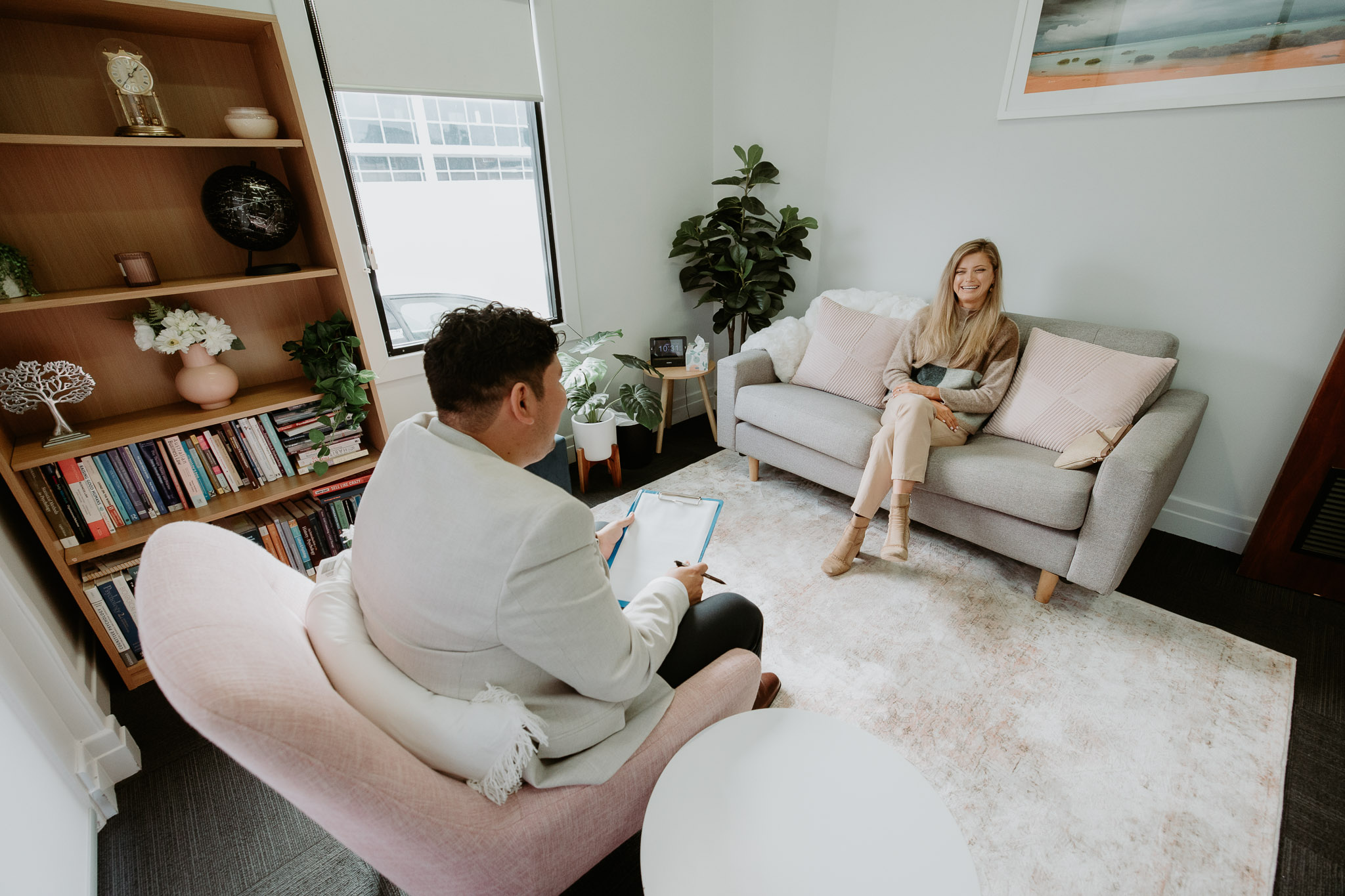
Our Psychologists and Counsellors are trained in psychoanalytically informed therapy — a deeper, more personalised approach to talk therapy. Rather than just treating surface symptoms, we explore the root causes of difficulties and the unconscious patterns that may be holding you back. Research shows that psychoanalytic therapies have lasting benefits, continuing to support personal growth long after treatment ends. This approach is especially effective for individuals facing complex or long-standing mental health challenges.
Creative Arts Therapy
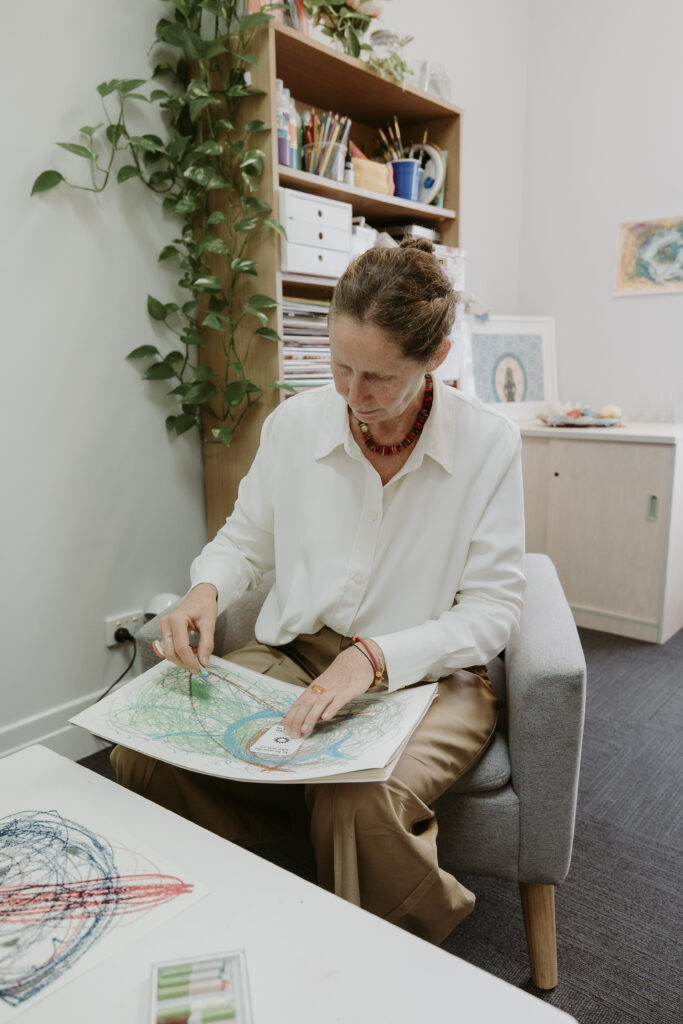
Creative Arts therapy is a therapeutic approach that combines creative expression through visual arts with psychotherapeutic techniques to support mental, emotional, and physical well-being. Led by our Creative Arts Therapist, Elisabeth Eitelberger, clients engage in activities such as drawing, painting, crafting, colouring, sculpting, or collage to explore and express their thoughts and feelings in a safe, non-verbal way. As they create, clients are encouraged to reflect on their artwork, gaining insight into their emotions and developing new coping strategies.
Benefits of Creative Arts Therapy:
- Promotes self-expression and non-verbal communication
- Adapts creative tools for different fine motor abilities
- Reduces feelings of helplessness and stress
- Supports relaxation and coping with chronic pain
- Enhances cognitive function and overall quality of life
- Encourages self-discovery and emotional growth
- Integrates emotional and physical experiences
- Develops daily living skills for those with developmental disabilities
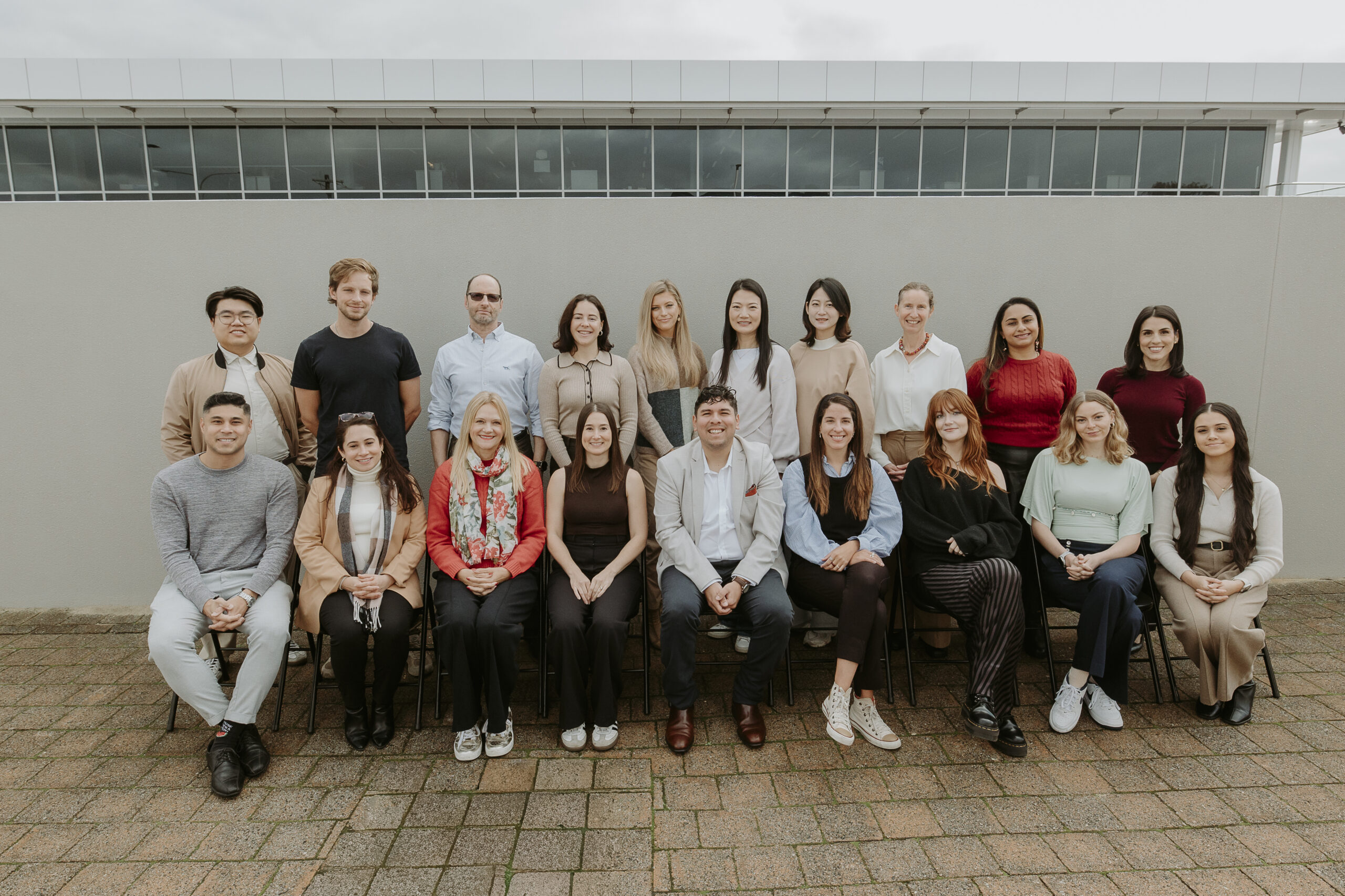
Meet our Team

Michiel Gonzales
Director and Registered Psychologist
Michiel Gonzales
Director and Registered Psychologist
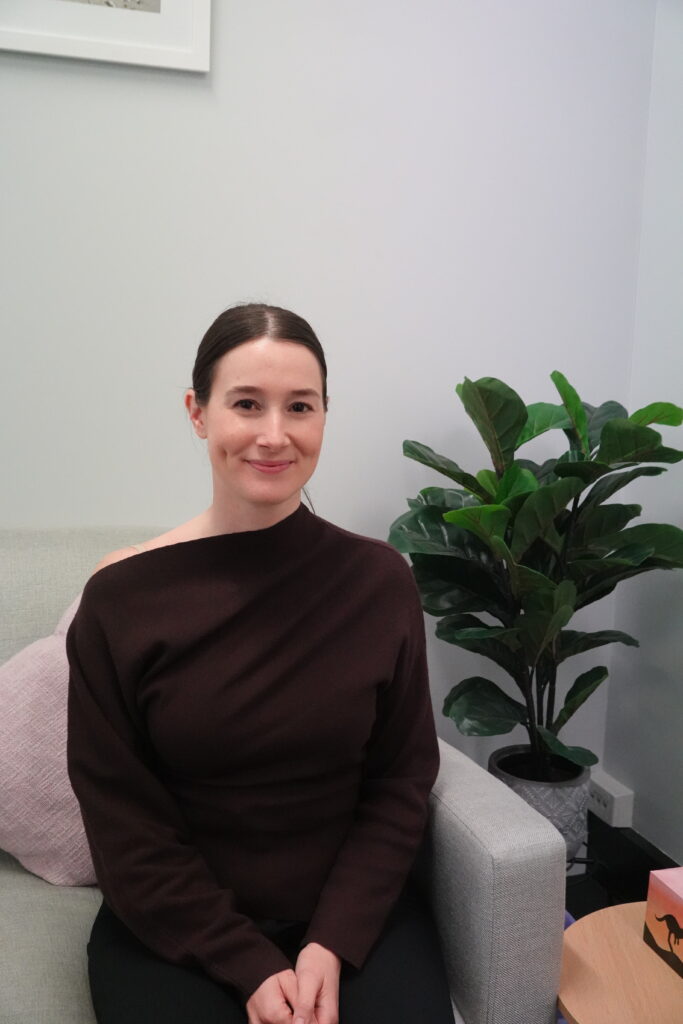
Brooke Halse
NDIS Team Leader & Psychosocial Recovery Coach
Brooke Halse
NDIS Team Leader & Psychosocial Recovery Coach

Samiul Hossain
Registered Psychologist
Samiul Hossain
Registered Psychologist
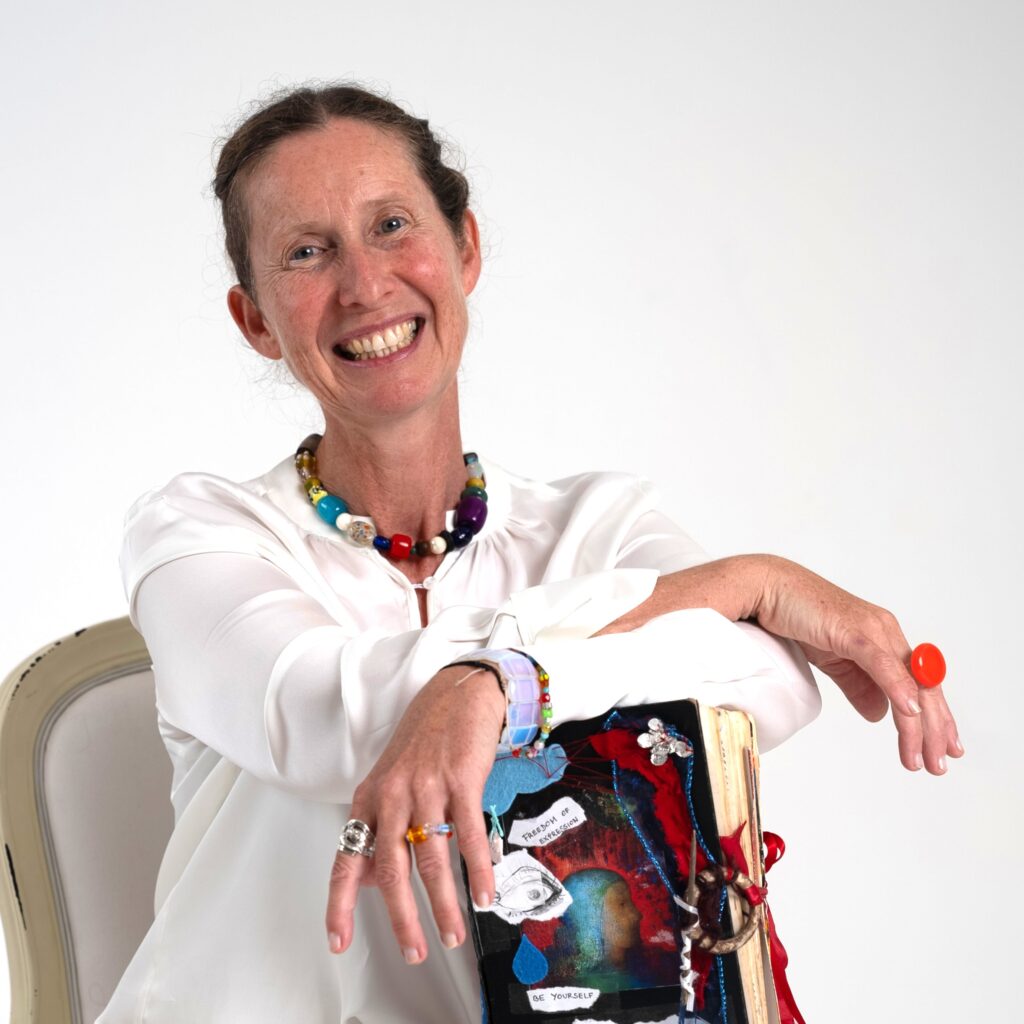
Elisabeth Eitelberger
Psychodynamic Psychotherapist and Creative Arts Therapist
Elisabeth Eitelberger
Psychodynamic Psychotherapist and Creative Arts Therapist
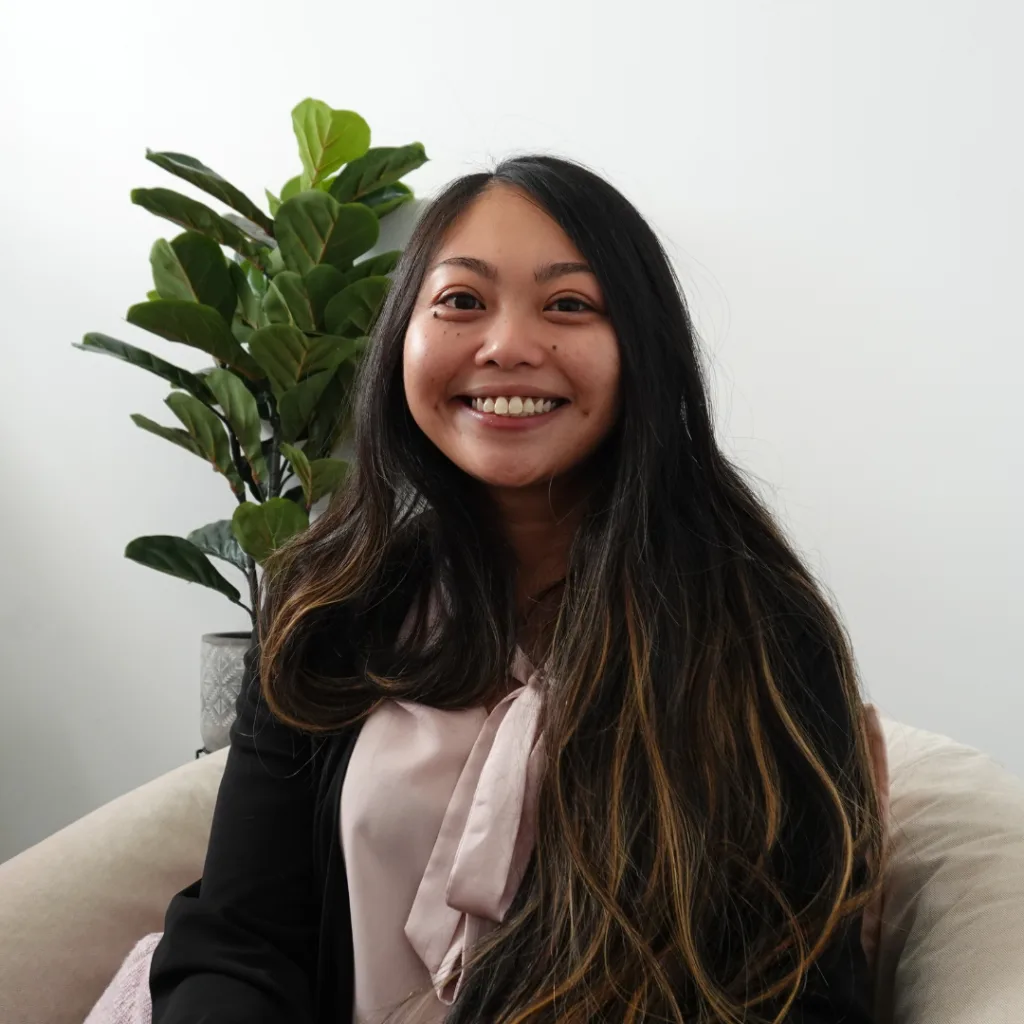
Nikki Wiracita
Provisional Psychologist and Psychosocial Recovery Coach
Nikki Wiracita
Provisional Psychologist and Psychosocial Recovery Coach
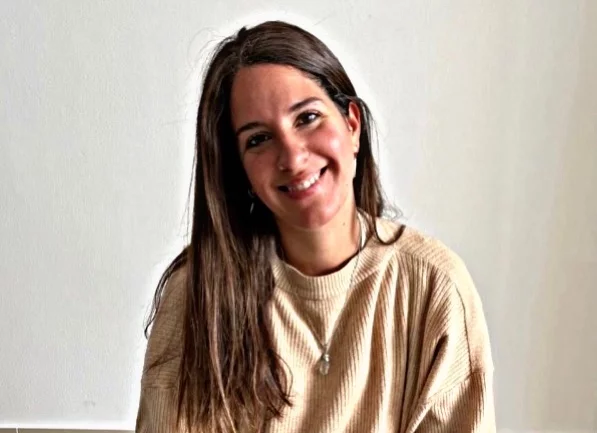
Mayra Brufau
Psychosocial Recovery Coach
Mayra Brufau
Psychosocial Recovery Coach
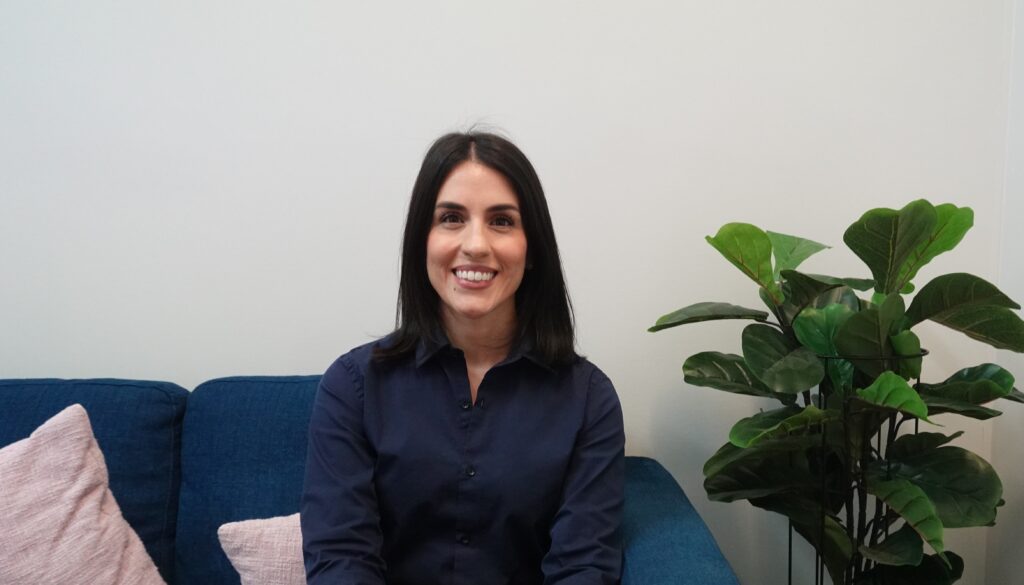
Lizeth Walters
Counsellor and Social Worker
Lizeth Walters
Counsellor and Social Worker
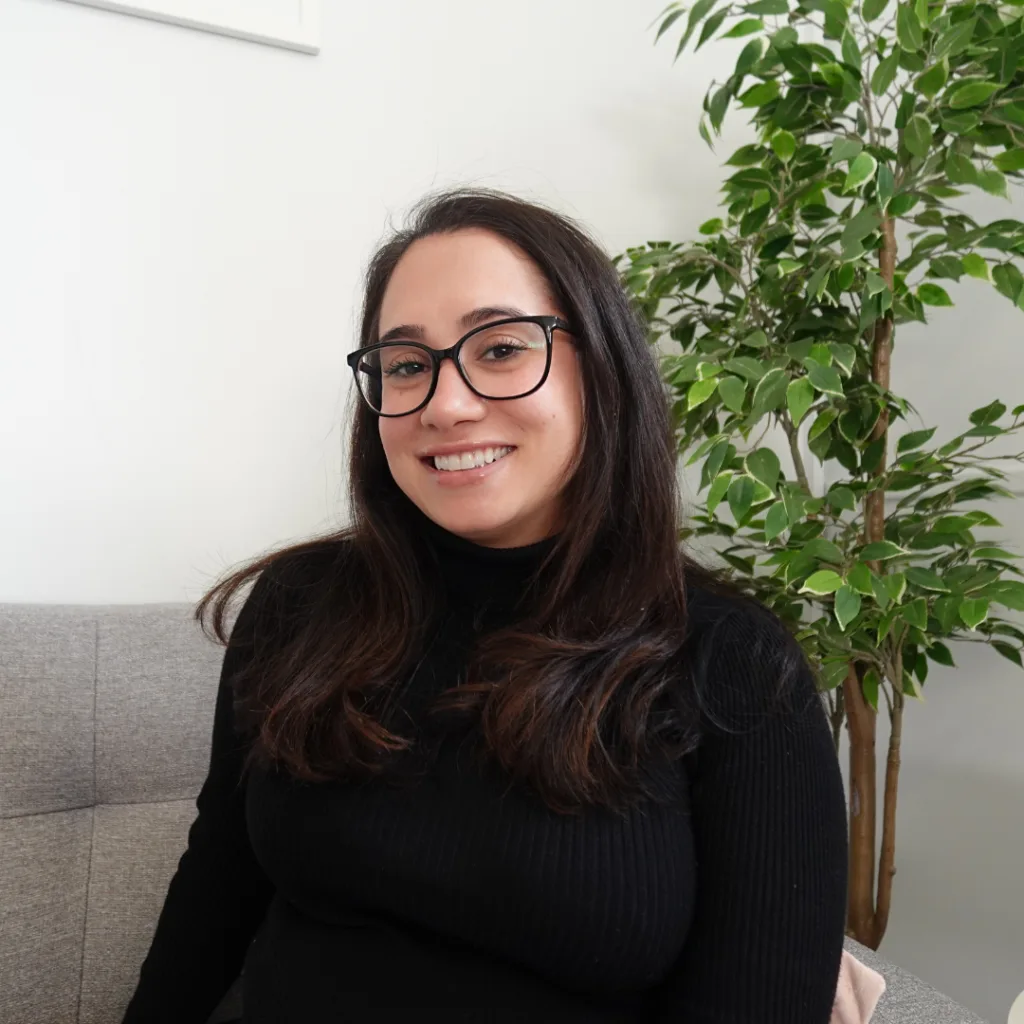
Eve Edwards
Psychosocial Recovery Coach
Eve Edwards
Psychosocial Recovery Coach
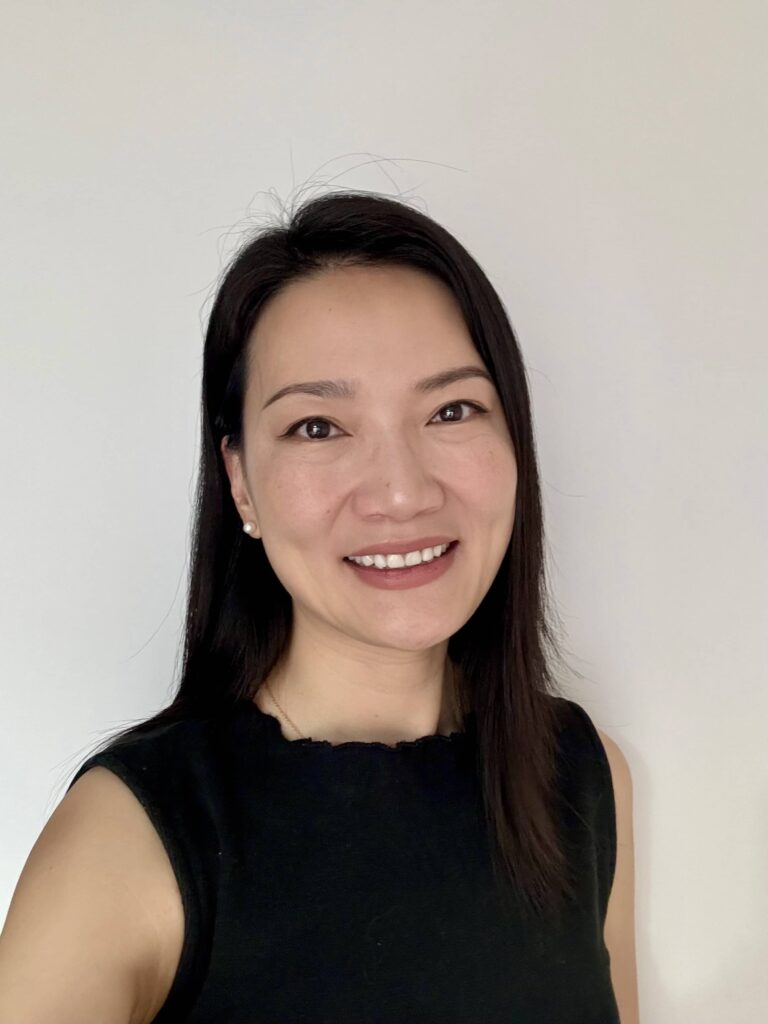
Nan Versaci
Psychosocial Recovery Coach
Nan Versaci
Psychosocial Recovery Coach
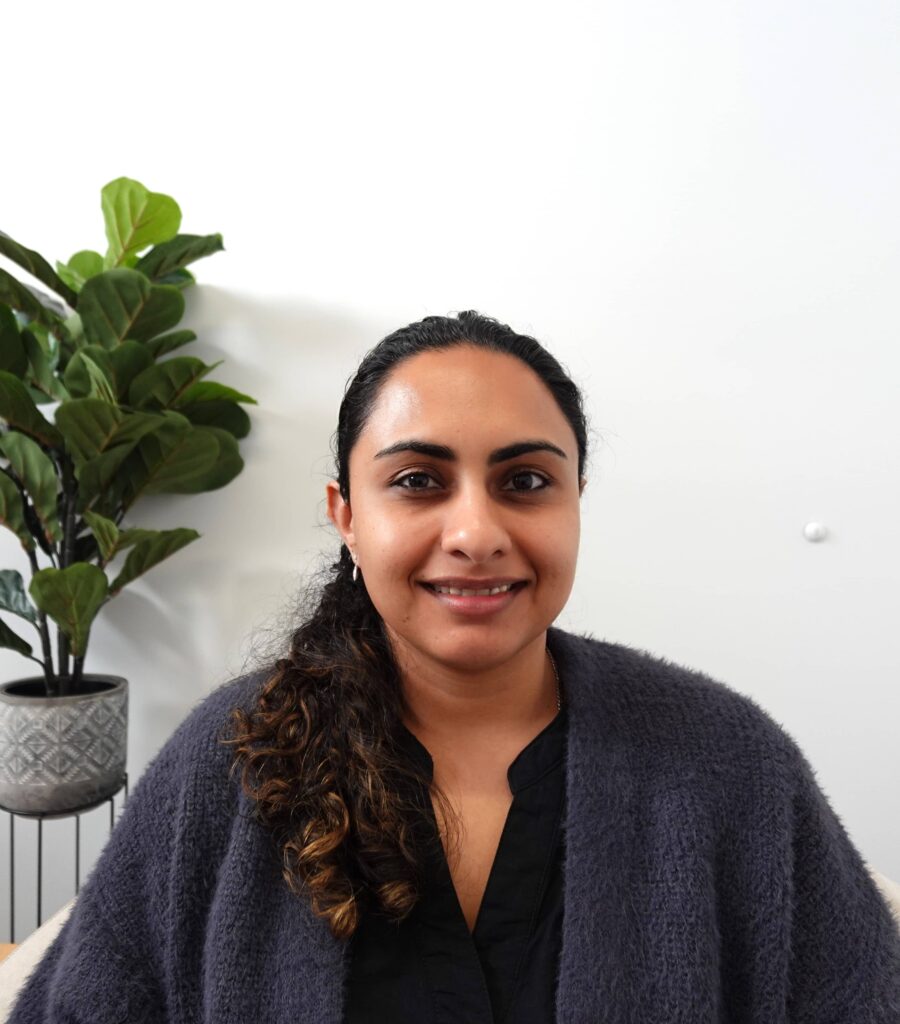
Avisha Chhania
Psychosocial Support Worker
Avisha Chhania
Psychosocial Support Worker
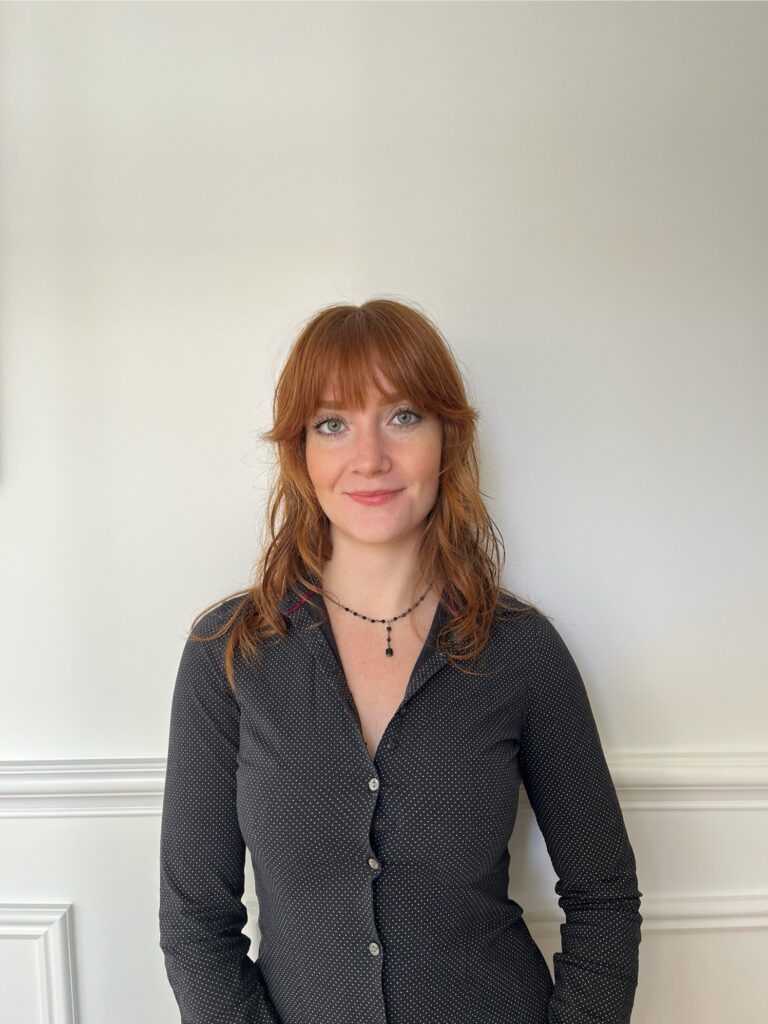
Sophie Nardini
Psychosocial Support Worker
Sophie Nardini
Psychosocial Support Worker
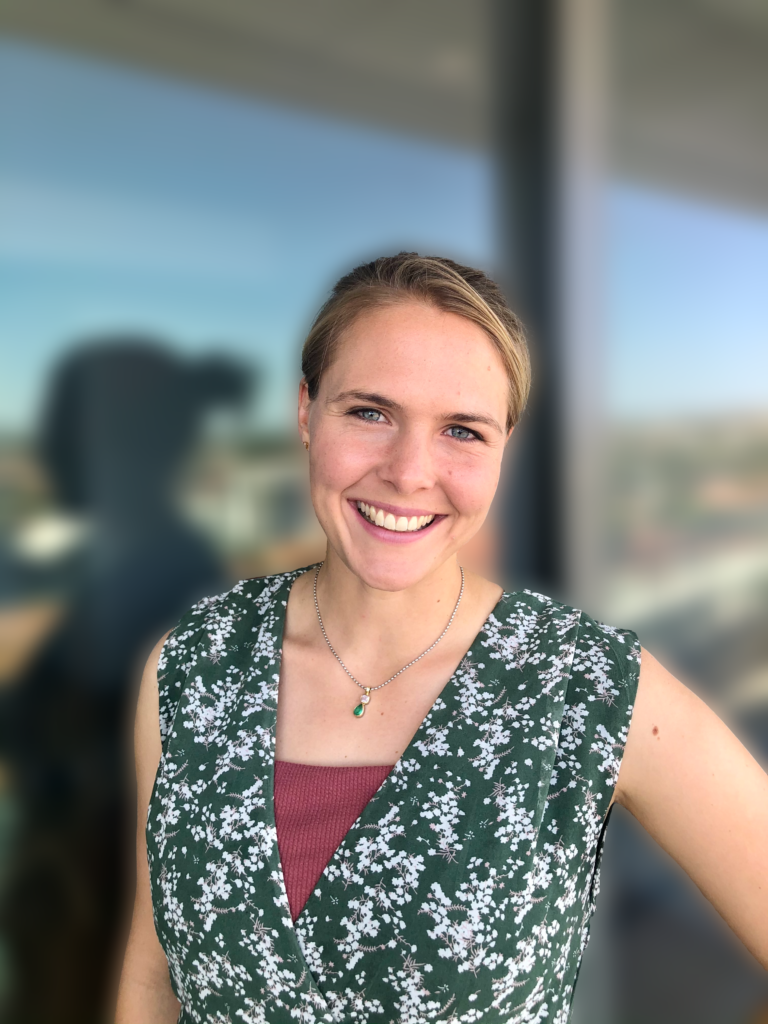
Franziska Menke
Psychosocial Support Worker
Franziska Menke
Psychosocial Support Worker
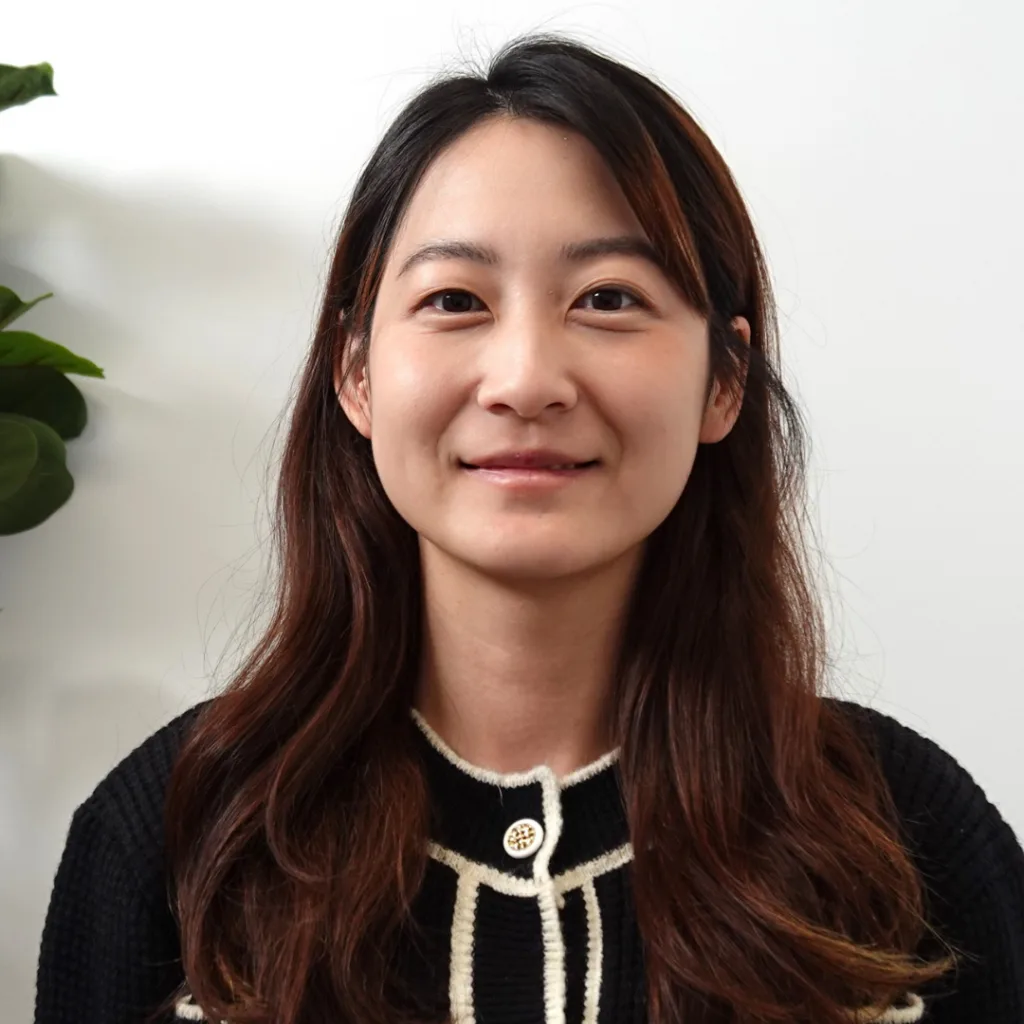
Dorothy Gao
Psychosocial Support Worker
Dorothy Gao
Psychosocial Support Worker
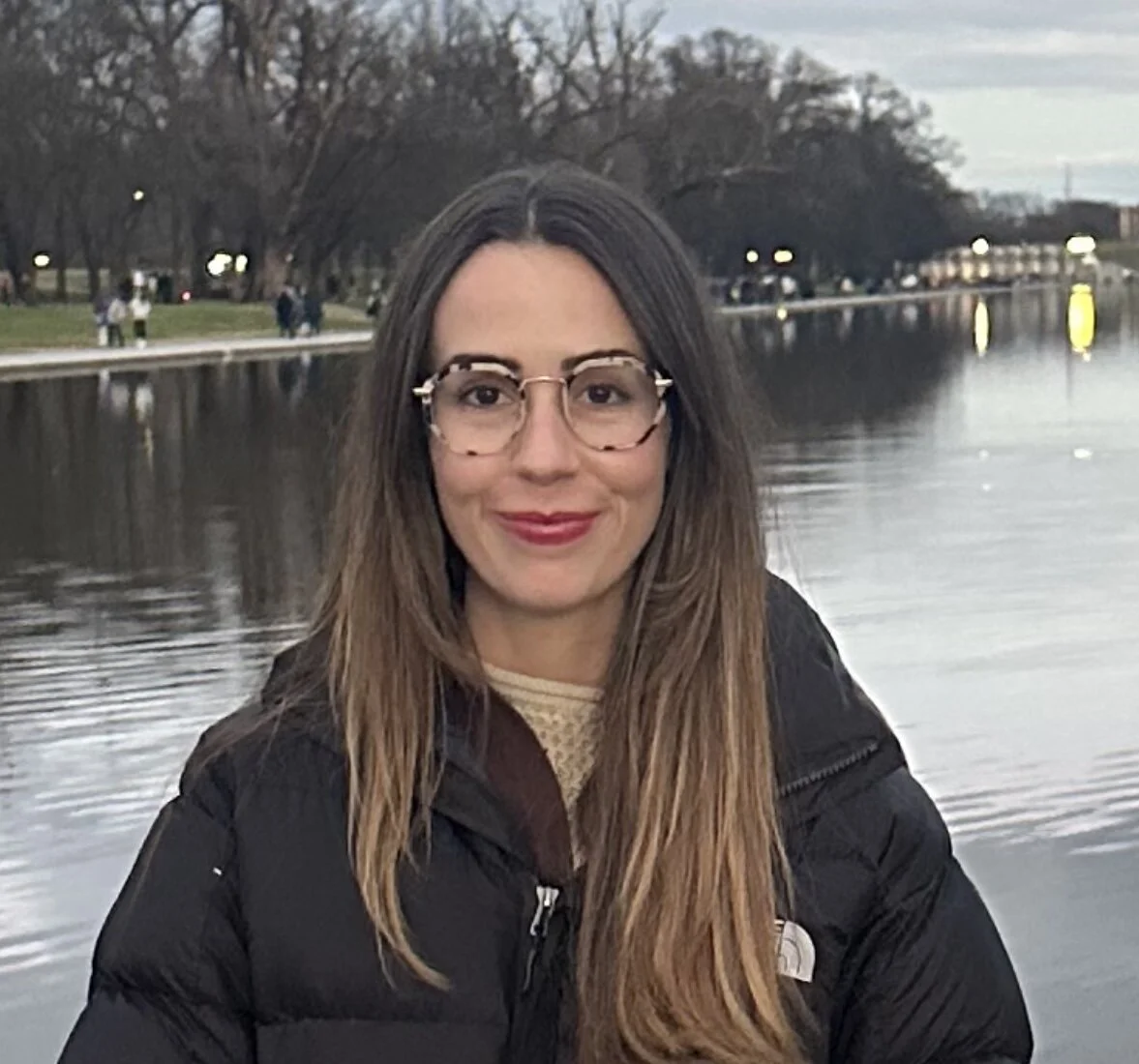
Georgia Epworth
Psychosocial Support Worker
Georgia Epworth
Psychosocial Support Worker
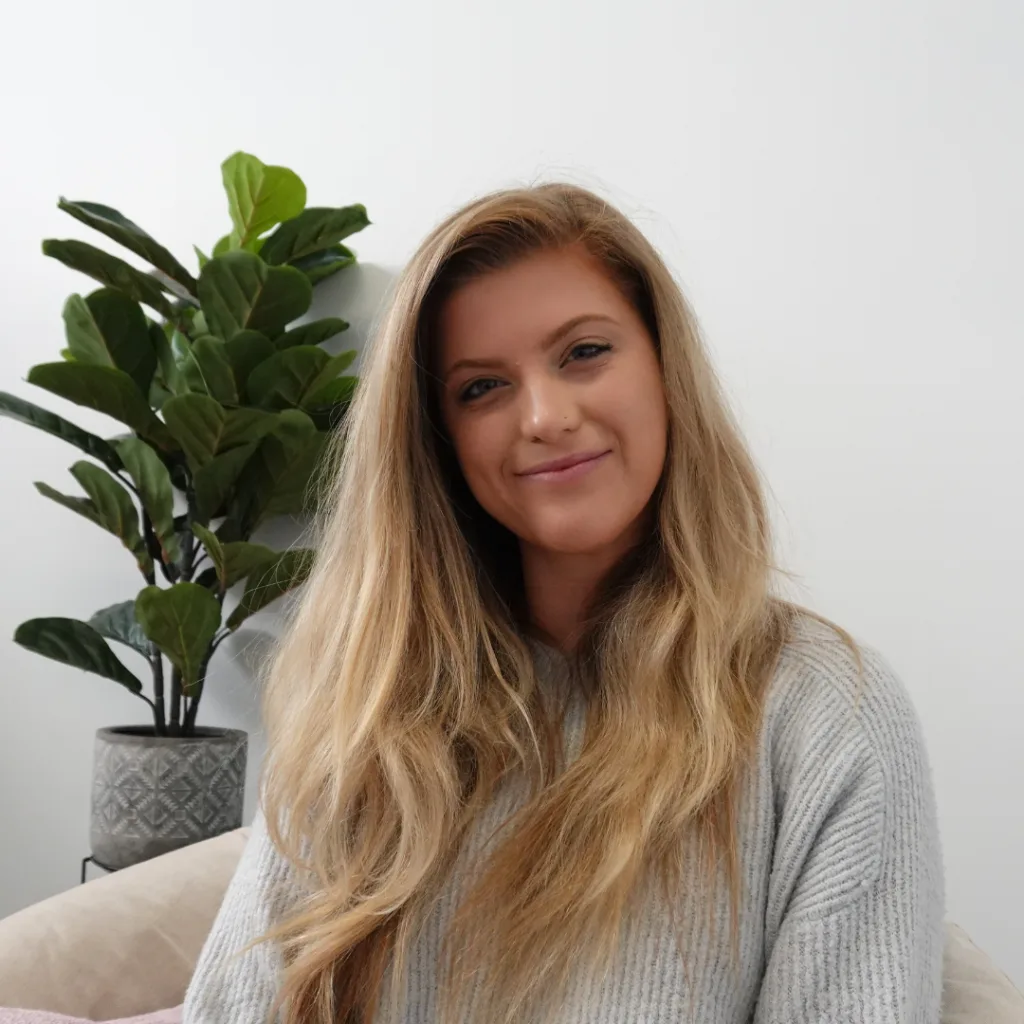
Lauren Parkes
Psychosocial Support Worker
Lauren Parkes
Psychosocial Support Worker

Matthew Jung
Psychosocial Support Worker
Matthew Jung
Psychosocial Support Worker

Michael Martin
Psychosocial Support Worker
Michael Martin
Psychosocial Support Worker

Noorain Runowanda
Psychosocial Support Worker
Noorain Runowanda
Psychosocial Support Worker
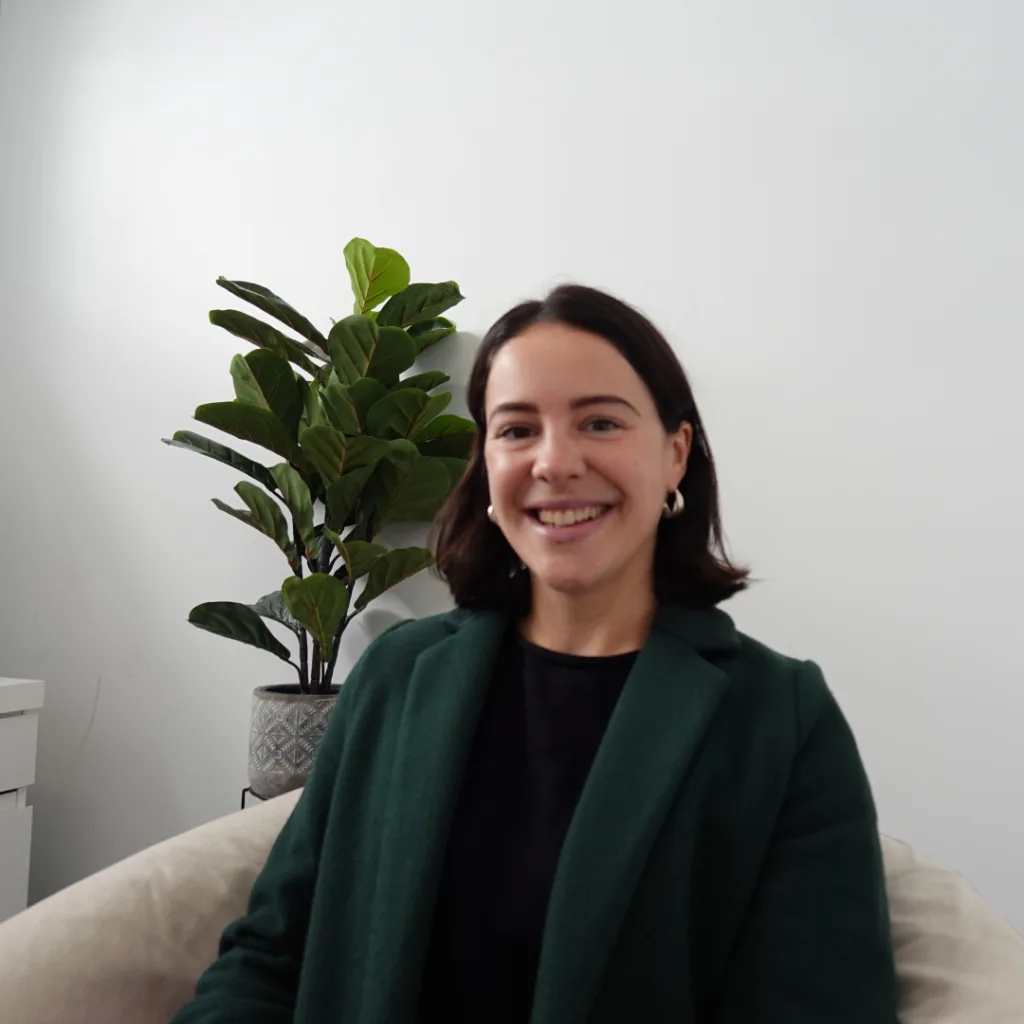
Rebecca Brann
Psychosocial Support Worker
Rebecca Brann
Psychosocial Support Worker
Georgia Lawrence
Psychosocial Support Worker
Georgia Lawrence
Psychosocial Support Worker
Leila Pinilla D'Aloya
Psychosocial Support Worker
Leila Pinilla D'Aloya
Psychosocial Support Worker
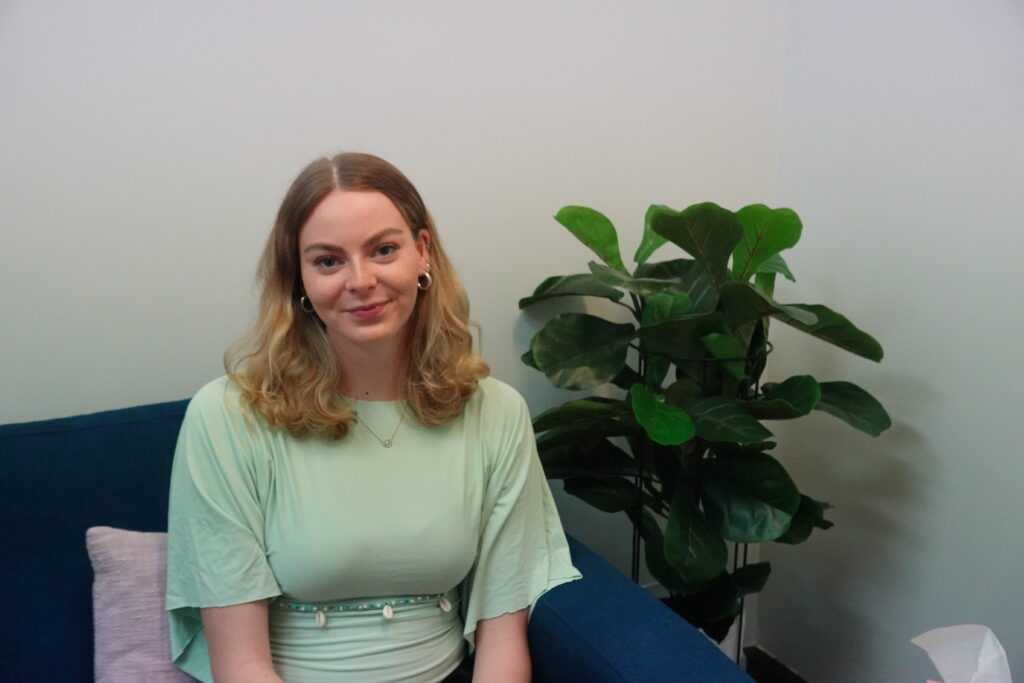
Eleanor Green
Psychosocial Support Worker
Eleanor Green
Psychosocial Support Worker

Anthony Roberts III
Psychosocial Support Worker
Anthony Roberts III
Psychosocial Support Worker
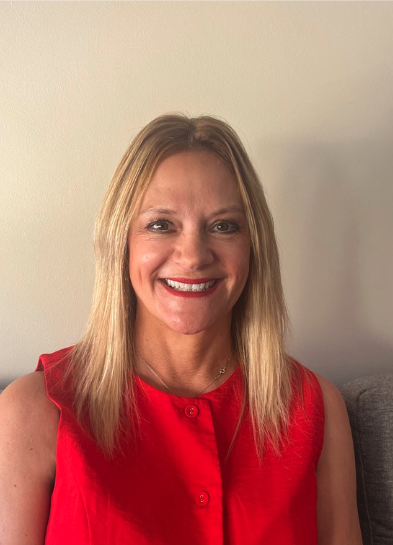
Tamasine Shorten
Psychosocial Support Worker
Tamasine Shorten
Psychosocial Support Worker

Jessica Batterbury
Psychosocial Support Worker
Jessica Batterbury
Psychosocial Support Worker

Renaldo Scully
Psychosocial Support Worker
Renaldo Scully
Psychosocial Support Worker
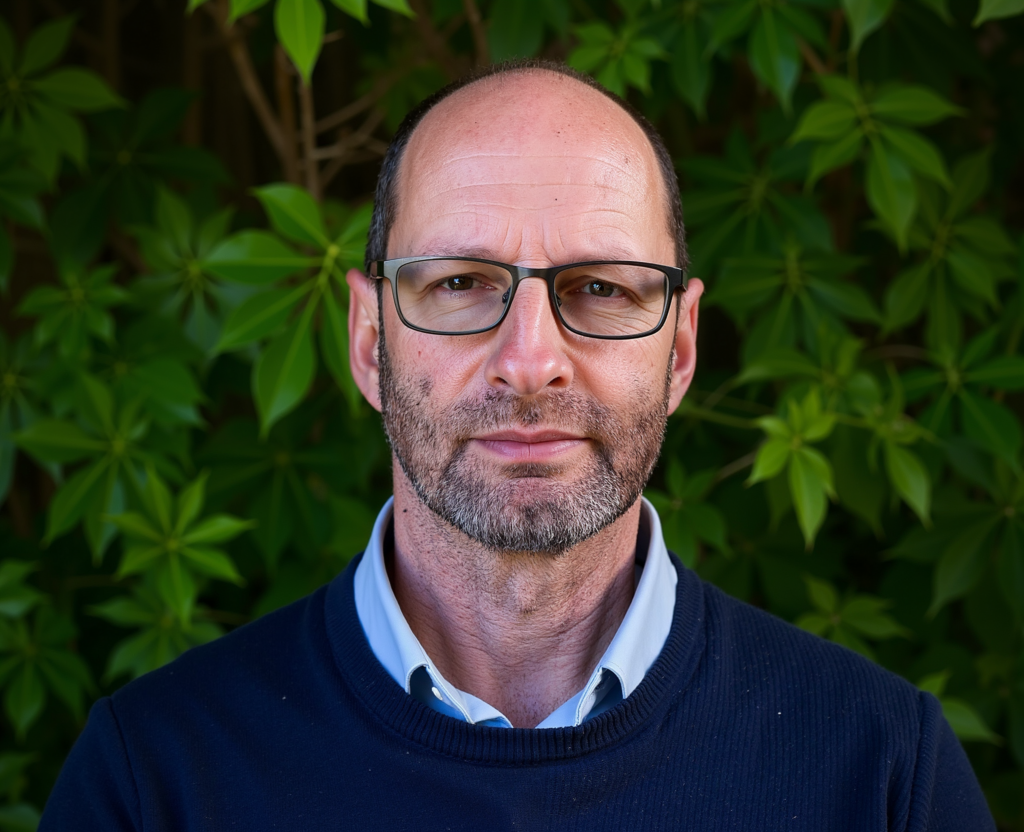
Itay Lahav
Psychoanalytic Psychotherapist & Clinical Counsellor
Itay Lahav
Psychoanalytic Psychotherapist & Clinical Counsellor
Become a part of the Cope Community
We provide a safe and supportive environment where clients can share their unique lived experiences. Our programs include social outings, events, and group therapy sessions, all designed to foster connection and belonging. Strong relationships are key to achieving personal goals, and staying connected to a community is an essential part of the support we offer.
READY TO BEGIN YOUR JOURNEY TOWARDS RECOVERY?
Taking the first step is often the most difficult, yet it’s necessary to begin your journey towards recovery. The sooner you take it, though, the sooner your progress towards a more independent and fulfilling life begins.

Contact Us Today
COPE is located just off Cedric Street in Stirling, within a small business complex. We’re a short 5-minute walk (approximately 400m) from Stirling Train Station, and free on-site parking is available for visitors.