Relationships

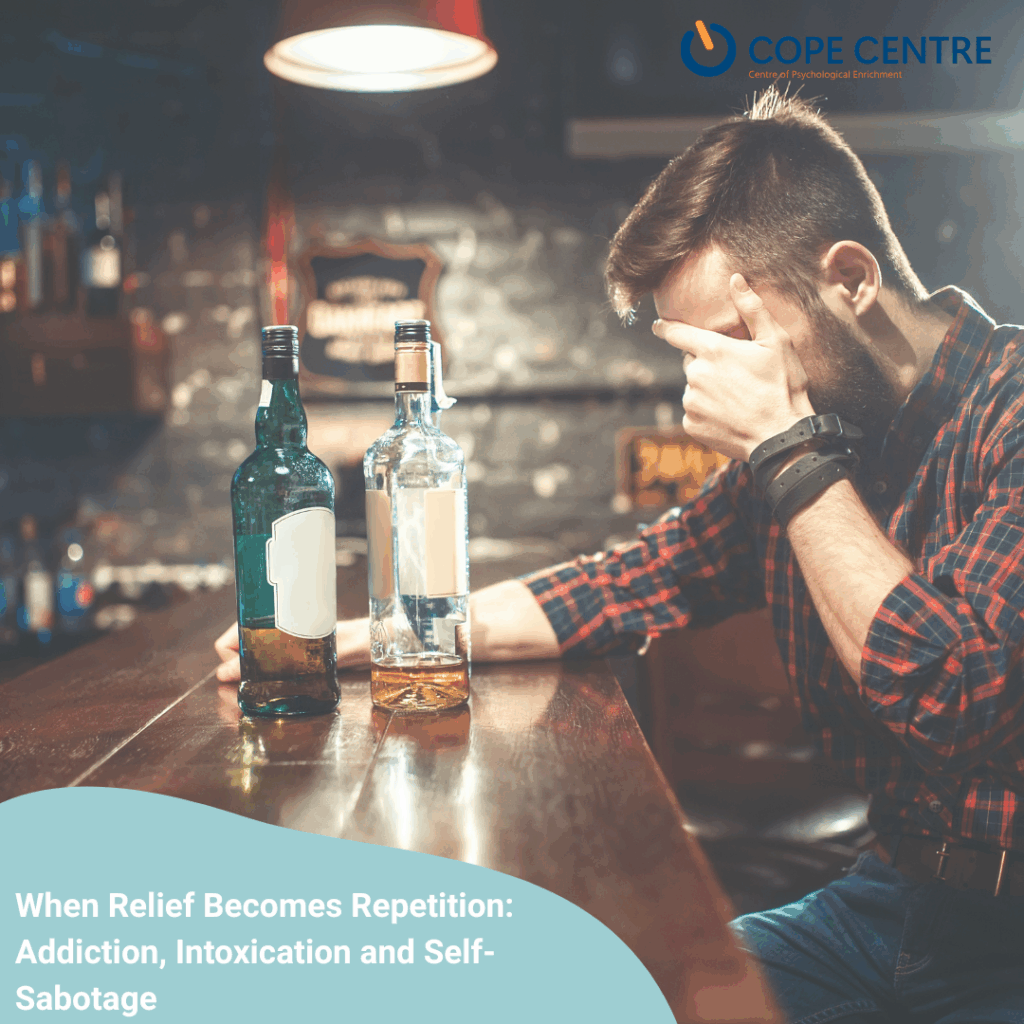
When Relief Becomes Repetition: Addiction, Intoxication and Self-Sabotage

Alcohol, drugs and gambling can begin as sources of pleasure, excitement or social connection. Over time, however, they may become ways of escaping emotional pain, quietening an anxious mind, avoiding loneliness or temporarily becoming someone who feels more confident, powerful or free.

When Relief Becomes Repetition: Addiction, Intoxication and Self-Sabotage Read More »

Personality structure and Crisis: How integration can build a pathway to stability 

Explore personality structure, psychological crisis and integration through Otto Kernberg’s psychodynamic framework, and discover how self-awareness can support greater emotional stability and meaningful change.

Personality structure and Crisis: How integration can build a pathway to stability  Read More »

Walking the Tightrope: Autonomy vs. Enabling in Psychosocial Mental Health Work 

Avoidance can provide short-term relief from anxiety, fear and discomfort, but over time it may reinforce the patterns that keep us feeling stuck. Explore the psychology behind avoidance and approach goals, why avoidance develops, and how taking small, meaningful steps toward discomfort can support confidence, connection, personal growth and lasting change.

Walking the Tightrope: Autonomy vs. Enabling in Psychosocial Mental Health Work  Read More »

Avoidance vs Approach Goals: Why Facing What We Fear Matters

Avoidance can provide short-term relief from anxiety, fear and discomfort, but over time it may reinforce the patterns that keep us feeling stuck. Explore the psychology behind avoidance and approach goals, why avoidance develops, and how taking small, meaningful steps toward discomfort can support confidence, connection, personal growth and lasting change.

Avoidance vs Approach Goals: Why Facing What We Fear Matters Read More »

Aggression and Emotional Regulation in Psychosocial Support

Aggression is often more than challenging behaviour—it can be an expression of overwhelming emotions and difficulties with emotional regulation. Discover how a psychodynamic perspective helps psychosocial support workers understand the meaning behind aggression and support lasting emotional growth.

Aggression and Emotional Regulation in Psychosocial Support Read More »

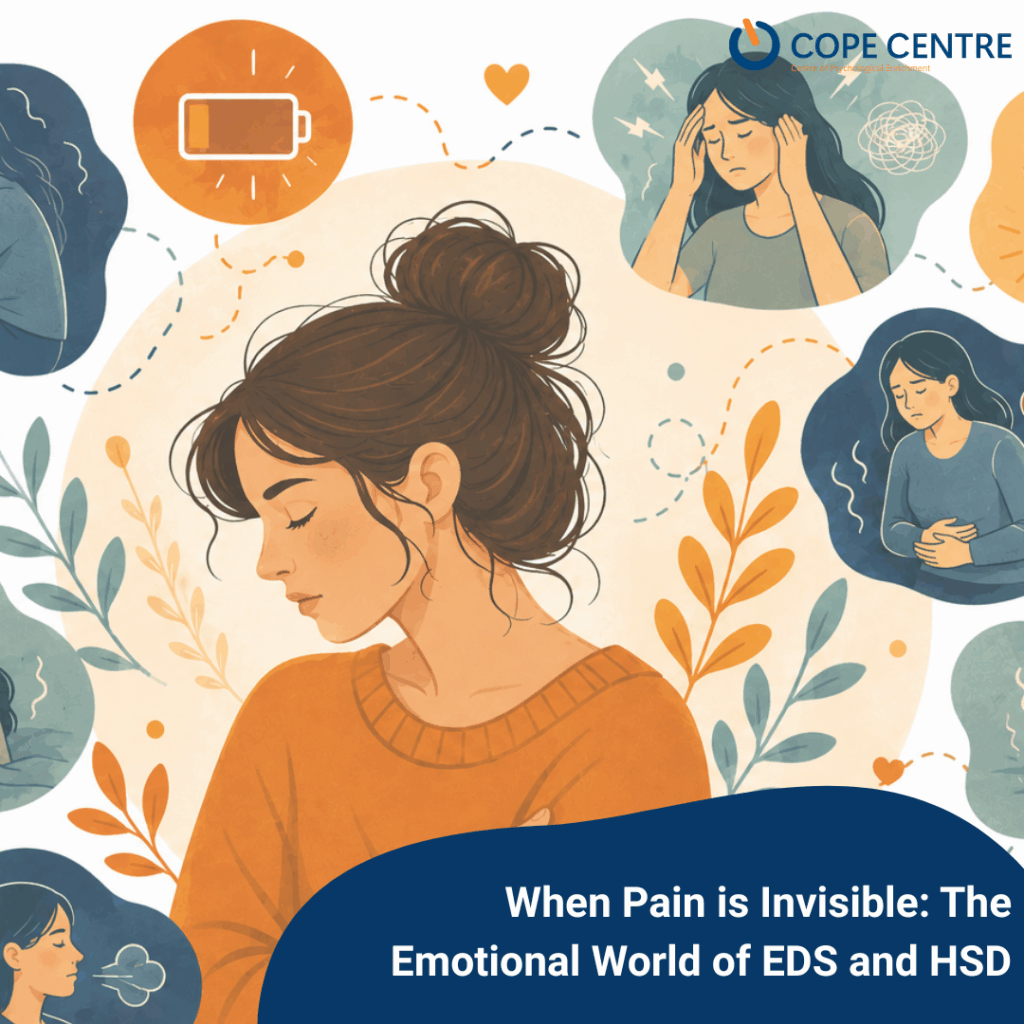
When Pain Is Invisible: The Emotional World of Ehlers-Danlos Syndrome (EDS) and Hypermobility Spectrum Disorders (HSD)

Living with EDS or HSD can mean living in a body that often feels unpredictable, painful, and misunderstood. While these conditions affect the body physically, they can also deeply impact emotional wellbeing, relationships, and a person’s sense of safety within themselves. Because symptoms are often invisible or fluctuate in severity, many individuals experience disbelief, minimisation, or pressure to “push through” despite ongoing pain and exhaustion. Over time, this can erode self-trust and create feelings of isolation, shame, and emotional fatigue.

The emotional burden of invisible illness is often carried quietly. Many people living with EDS or HSD describe grieving the life they expected to have while navigating the pressure to remain productive, independent, and outwardly “well.” Constantly monitoring for pain, flare-ups, or physical instability can leave the nervous system in a heightened state of vigilance, making rest and self-compassion feel difficult or undeserved.

At the heart of many invisible illnesses is a deep longing to be believed. Compassionate support, validation, and emotionally safe relationships can play an important role in helping individuals reconnect with their bodies, rebuild trust in themselves, and feel less alone in their experiences.

When Pain Is Invisible: The Emotional World of Ehlers-Danlos Syndrome (EDS) and Hypermobility Spectrum Disorders (HSD) Read More »

When Loss Hits Us: Understanding Grief

Grief is a deeply personal process that can impact every part of a person’s life. When we lose someone significant, it is not only the relationship that changes — our sense of identity, safety, and understanding of the world can shift as well. While grief is often associated with stages such as denial, anger, depression, and acceptance, every individual experiences loss differently, shaped by their own relationships, memories, and life experiences.

As support practitioners, approaching grief with empathy, patience, and understanding is essential. Healing is not linear, and the emotions connected to loss can appear in many ways throughout daily life. Through compassionate support, meaningful connection, and strong social networks, individuals can begin to process their grief, rebuild their sense of self, and find new ways to move forward while carrying the significance of those they have lost.

When Loss Hits Us: Understanding Grief Read More »

Understand Psychodynamic Therapy
Thinking about therapy but unsure where to start?
Download our free guide explaining:

We never send spam. Unsubscribe anytime.