Psychological Science

Avoidance vs Approach Goals: Why Facing What We Fear Matters

Avoidance can provide short-term relief from anxiety, fear and discomfort, but over time it may reinforce the patterns that keep us feeling stuck. Explore the psychology behind avoidance and approach goals, why avoidance develops, and how taking small, meaningful steps toward discomfort can support confidence, connection, personal growth and lasting change.

Avoidance vs Approach Goals: Why Facing What We Fear Matters Read More »

Building Resilience from the Inside Out: The Case for the CFRP in Australia’s NDIS Psychosocial Support Workforce

Australia’s psychosocial support workforce faces increasing rates of burnout and compassion fatigue. Discover how the evidence-based Compassion Fatigue Resiliency Program (CFRP) can strengthen resilience, improve workforce wellbeing, and support sustainable, high-quality care across the NDIS and broader community mental health sector.

Building Resilience from the Inside Out: The Case for the CFRP in Australia’s NDIS Psychosocial Support Workforce Read More »

Aggression and Emotional Regulation in Psychosocial Support

Aggression is often more than challenging behaviour—it can be an expression of overwhelming emotions and difficulties with emotional regulation. Discover how a psychodynamic perspective helps psychosocial support workers understand the meaning behind aggression and support lasting emotional growth.

Aggression and Emotional Regulation in Psychosocial Support Read More »

The Relationship Between Physical Health, Mental Health, and Motivation: A Research-Based Perspective

Discover how physical health directly influences mental wellbeing and motivation. This research-based article explores the role of exercise, sleep, nutrition, and brain function in supporting mood, resilience, and goal-directed behaviour, highlighting why a holistic approach is essential for long-term psychological wellbeing.

The Relationship Between Physical Health, Mental Health, and Motivation: A Research-Based Perspective Read More »

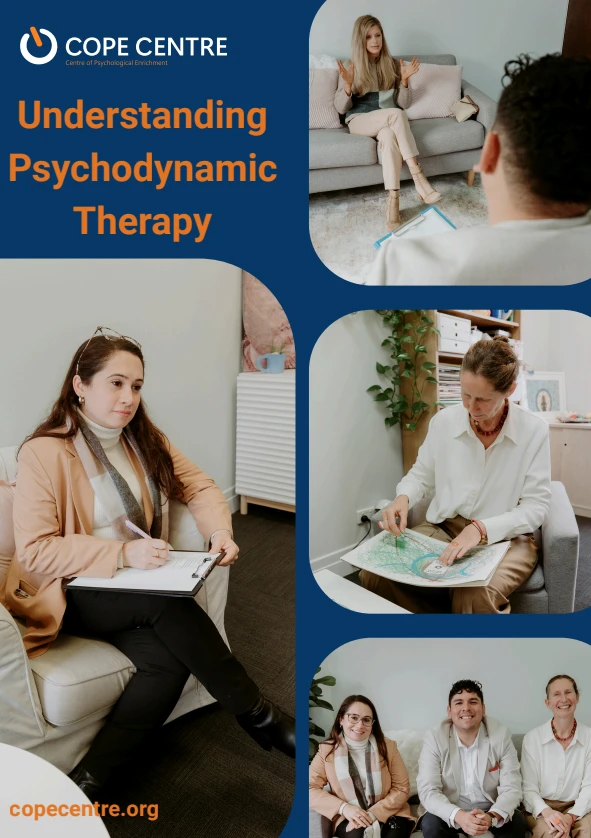
The Effectiveness of Psychodynamic Therapy: Unpacking the Power of Self-Exploration

The Effectiveness of Psychodynamic Therapy

There are many benefits to utilizing the Employee Assistance Programs (EAP) for Business Leaders:
• Improving performance and productivity.
• Improving different leadership styles, such as transformational, transactional, and servant leadership, can influence the decision-making process within an organization.
• Improving the long-term impact of decisions on the organization’s mission, values, and sustainability.
• Improving team members or coworkers in the decision-making process can enhance commitment, creativity, and overall decision quality.

The Effectiveness of Psychodynamic Therapy Read More »