
Understanding and Treating
Personality Disorders

 Personality Formation

Personality develops over time through the interaction of temperament, relationships, formative experiences and the ways we learn to manage emotions, needs and vulnerability. When these patterns become deeply established and inflexible, they may affect how a person understands themselves, relates to others and responds to stress.

At COPE, personality difficulties are understood with curiosity rather than judgement. Therapy explores the emotional and relational patterns that may operate outside immediate awareness, including how earlier ways of coping continue to influence present-day life. Although personality disorders can take different forms, they may contribute to difficulties with identity, emotional regulation, relationships, work and maintaining a stable sense of self. Developing insight into these patterns can create greater flexibility, more meaningful relationships and the possibility of lasting change.

Personality disorders are relatively common, around 9-13% of the global population may experience a personality disorder

Despite the high prevalence rates, many individuals with personality disorders do not seek treatment, often due to stigma, lack of awareness, or difficulties recognising their own symptoms.

Types of Personality Disorders

Narcisstic Personality Disorder (NPD)

NPD depicts a pervasive pattern of grandiosity, need for admiration, along with a lack of empathy. People with narcissistic personalities battle an internal conflict of shame and envy as their two main emotions. They can experience shame as a sense of being seen as wrong or bad if they perceive others to be seeing them negatively. Although being narcissistic can lead to great success as they are prone to using idealisation and devaluation as a defensive strategy to improve their own self-worth, they may try to devalue (bring down) others to idealise (build-up) themselves, and vice versa when they feel inadequate.

Personality Disorder - Cope Centre

Othello Syndrome

Othello Syndrome (Delusional Disorder) is a pathological Jealousy type of mental disorder that is quoted in the DSM-5. People who have delusional disorder may show strong obsession towards their other half or care enough to get upset. Extreme jealousy, Inability to control impulses, stalking them, finding fault with them, even verbal and physical abuse are all symptoms of Delusion Disorder. Othello Syndrome can be a very distressing disorder for the person suffering from it and their partner as well. It greatly impacts the couple’s quality of life and causes high tensions in the relationship, which is unhealthy for the long term.

Obsessive-Compulsive Personality Disorder

OCD is one of the most common personality disorders in the community. It is characterised by a constant preoccupation with details, scheduling, organisation and/or rules. A focus on perfectionist goals and ‘productivity’ highly influences the enjoyment of everyday life and one’s relationships with others. Obsessive-Compulsive personalities will make grand efforts in setting rules and conventions to ensure they feel ‘in control’. Expressions of affection are perceived to be immature, and a sense of embarrassment would be felt if they accidentally behaved childishly.

Histrionic Personality Disorder

HPD is a type of dramatic/emotional personality disorder characterised by a pattern of excessive emotionality and attention-seeking behaviours, often presenting by early adulthood. Individuals with HPD may come across as overly dramatic, erratic, and emotional, often with attention-seeking tendencies. HPD affects approximately 2-3% of the population and shares some overlap with Borderline Personality Disorder (BPD; another type of dramatic/emotional personality disorder), making it difficult to differentiate between the two.

Personality Disorder

Dependent Personality Disorder

Dependent Personality Disorder is when people have excessive dependent needs towards others. They find it difficult to leave “exploitative” or “abusive” relationships. People with dependent personality disorders define themselves in the context of their relationships with others. They also seek security and reassurance from others, and it is more common between women than in a man. The symptoms could be a pervasive pattern of dependent and submissive behaviour; cannot make decisions without an excessive amount of advice and reassurance from others; pessimism, self-doubt, passivity and fears of expressing sexual and aggressive feelings all typify the behaviour; an abusive, unfaithful, or alcoholic spouse may be tolerated for long periods to avoid disturbing the sense of attachment.

Borderline Personality Disorder (BPD)

BP is a complex mental health disorder that can severely affect how a person sees themselves, relates to others, and makes sense of the world around them. It is marked by an ongoing pattern of intense mood swings, unstable self-image, feelings of emptiness, difficulties managing anger, and impulsive, reckless behaviours. BPD Typically manifesting in mid to late teens or early adulthood, such symptoms can be extremely emotionally distressing for both the patient and their loved ones. People with BDP are often terrified of the thought of rejection or abandonment and as a result, may make frantic efforts towards avoiding this. Unstable and intense interpersonal relationships are also common.

Other personality presentations

Different ways of managing relationships, emotions and vulnerability

Every personality develops differently. While diagnostic terms can help describe recurring patterns, they cannot capture the complexity of the person experiencing them.

A person pictured in shadow, representing emotional distance and difficulty trusting others
Personality presentation

Antisocial Personality Disorder

Antisocial Personality Disorder involves a persistent pattern of disregarding the rights, safety or feelings of other people. It may be associated with deceitfulness, impulsivity, aggression, repeated rule-breaking, irresponsibility or limited remorse after causing harm.

The diagnosis does not simply mean that someone is unsociable, private or uncomfortable around people. It describes longstanding patterns that occur across different areas of life and can create considerable harm for the individual and those around them.

A psychodynamic understandingFrom a psychodynamic perspective, these behaviours may sometimes protect against vulnerable states such as fear, shame, dependency, powerlessness or anticipated betrayal. Therapy considers how trust, empathy, responsibility and the capacity to reflect on the impact of behaviour developed, while maintaining clear boundaries and accountability for harmful actions.
Personality presentation

Schizoid Personality Disorder

Schizoid Personality Disorder is characterised by a longstanding pattern of emotional reserve, limited expression and distance from close relationships. A person may prefer solitary activities, appear unaffected by praise or criticism, and experience little desire for social or intimate connection.

Emotional distance should not automatically be understood as an absence of feeling. Some people have a rich and complex private inner world that is not readily expressed. Relationships may feel intrusive, demanding or unsafe, while solitude offers protection, control and relief.

A psychodynamic understanding

Therapy gently explores the tension that may exist between wanting connection and needing distance. Rather than pressuring the person to become more socially expressive, the therapeutic relationship respects their need for space while gradually developing safety, emotional language and a greater capacity for connection on their own terms.

A person sitting alone, representing withdrawal and fear of judgement
Personality presentation

Avoidant Personality Disorder

Avoidant Personality Disorder involves an enduring pattern of social inhibition, feelings of inadequacy and heightened sensitivity to criticism or rejection. A person may deeply want friendship, intimacy and belonging while avoiding situations in which they fear being judged, embarrassed or found inadequate.

This can affect relationships, employment, education and everyday opportunities. Avoidance may provide immediate relief from anxiety and shame, but over time it can reinforce isolation, loneliness and the belief that connection is unsafe.

A psychodynamic understandingTherapy explores how expectations of rejection and a harsh internal view of the self may have developed and continue to shape present relationships. Within a consistent and accepting therapeutic relationship, the person can begin to understand these patterns, tolerate vulnerability and develop a more compassionate and secure experience of themselves alongside others.

A diagnosis should only be made following a careful professional assessment. At COPE, we seek to understand the whole person—not reduce someone to a label, behaviour or diagnosis.


The link between all personality disorders

Developmental

Most personality disorders often stem from adverse childhood experiences, including unstable relationships with caregivers, infidelity among parents, rigid upbringing, overprotective or authoritarian parenting, childhood abuse, and insecure attachment patterns. Children subjected to such negative experiences may struggle with normal psychological development, carrying these behaviors into adulthood. Beyond childhood trauma, exposure to various traumas like abuse, neglect, or witnessing violence can contribute to personality disorders. Difficulty confronting and overcoming such experiences may lead individuals to adopt maladaptive behaviors into adulthood. Research also suggests that the origins of personality disorders may involve a complex interplay of genetic, neurological, and environmental factors, encompassing social, cultural, and achievement-related influences. 


Personality disorders can be a life-long challenge for both patients and people around them, with early diagnosis and appropriate treatment it is possible to recover.

Our therapeutic approach

Understanding the person beyond the diagnosis

At COPE, we approach personality difficulties with curiosity, compassion and respect. Our work integrates psychodynamic understanding with trauma-informed care, helping people make sense of longstanding patterns while developing greater safety, flexibility and choice.

Making sense of recurring patterns

Personality patterns develop over time through the interaction of temperament, relationships, social circumstances and lived experience. Ways of coping that now create difficulties may once have helped a person maintain connection, manage overwhelming feelings or protect themselves from rejection, shame or emotional pain.

A psychodynamic approach explores how these established patterns influence a person’s emotions, identity, relationships and responses to stress in the present. Therapy may consider why particular situations feel so powerful, why similar relationship difficulties keep returning and what feelings may be difficult to recognise or express.

This is not about blaming the past or assuming that every personality difficulty results from trauma. It is about understanding the person’s development and recognising the meaning and protective purpose their ways of coping may have carried.

How therapy may help

The aim is not to change someone’s personality, but to expand their capacity to understand themselves and respond to life with greater freedom.

  • Recognise recurring emotional and relationship patterns
  • Understand triggers and intense emotional responses
  • Develop a more stable and compassionate sense of self
  • Strengthen the ability to regulate difficult feelings
  • Explore fears involving trust, closeness or abandonment
  • Reduce shame and harsh self-criticism
  • Communicate needs and establish healthier boundaries
  • Build more secure and meaningful relationships

We do not reduce people to a label. We seek to understand the experiences, relationships and protective strategies that have shaped them—and support the possibility of meaningful, lasting change.

Our Team

Michiel Gonzales

Registered Psychologist

Samiul Hossain

Registered Psychologist

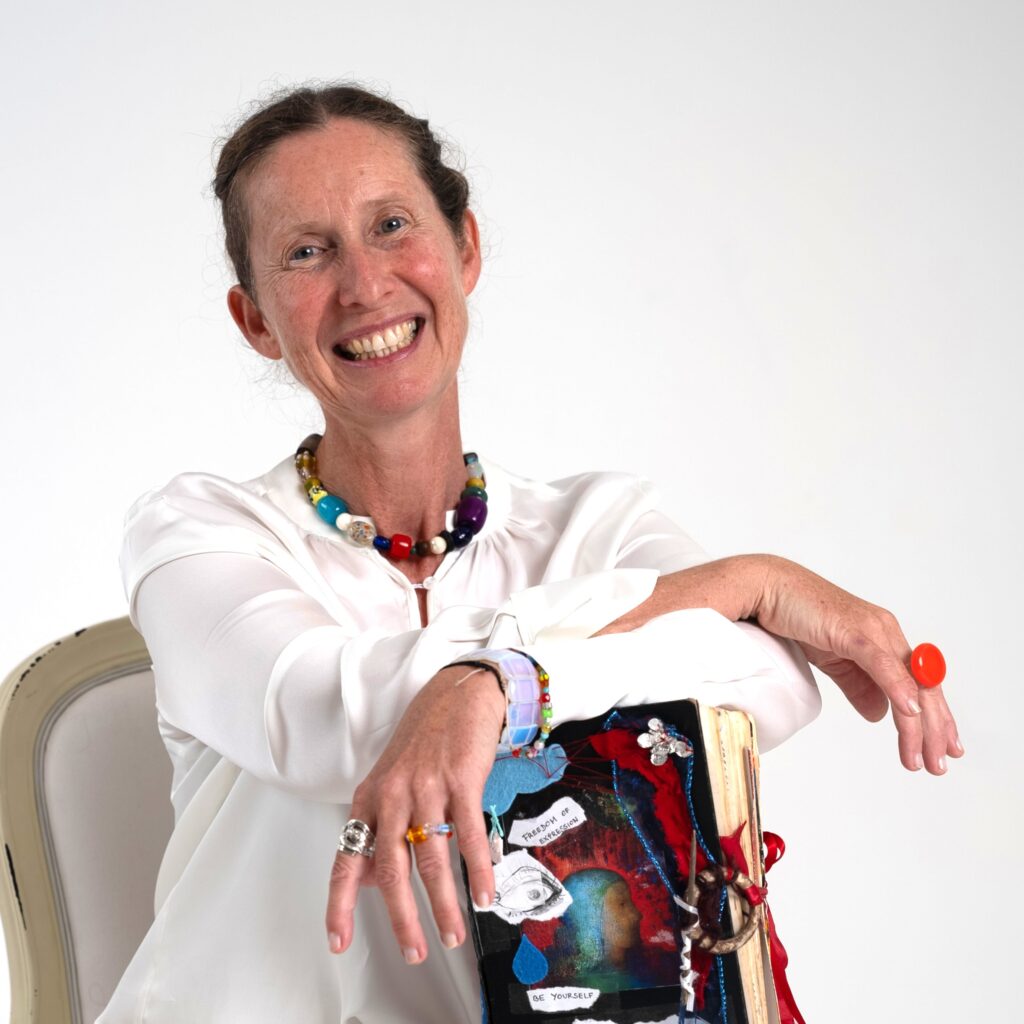
Ms Elisabeth Eitelberger

Creative Arts & Psychodynamic Psychotherapist

Mr Itay Lahav

Psychoanalytic Psychotherapist & Clinical Counsellor

Ms Eve Edwards

Psychotherapist

Ms Lizeth Walters

Social Worker and Counsellor

Ms Dian Abdurachman

Jungian Psychoanalyst

Ms Nikki Wiracita

Registered Psychologist

We Are Here to Help You COPE.

Whether you're seeking support for anxiety, trauma, relationships, life transitions, emotional wellbeing, or personal growth, our team is here to support you.

Book an Appointment

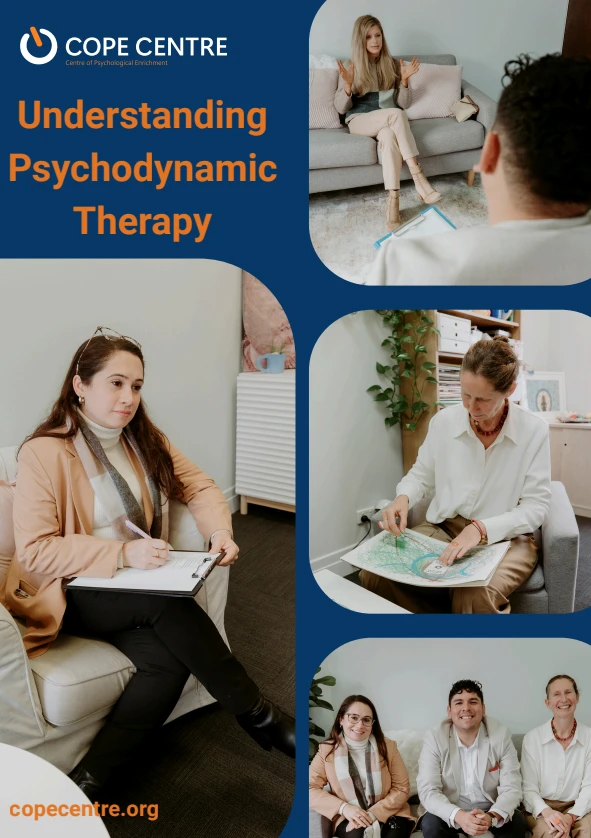
COPE Psychology Session
Understand Psychodynamic Therapy
Thinking about therapy but unsure where to start?
Download our free guide explaining:

We never send spam. Unsubscribe anytime.