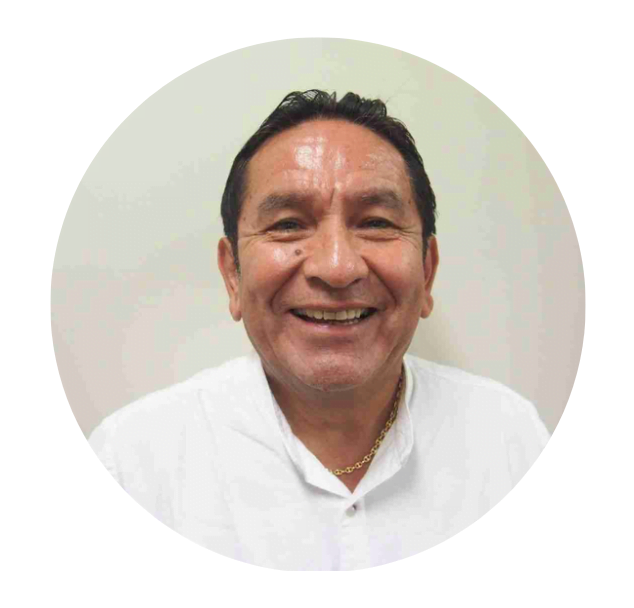
Dr Hugo Gonzales
Clinical Psychologist
MPsych(Clin) | PhD | Member APS| Registered with AHPRA
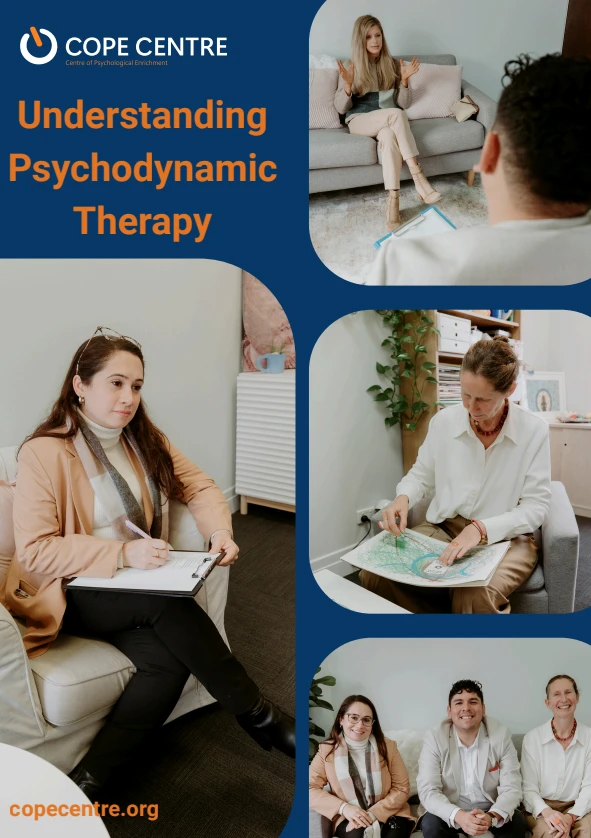
Our Director and Clinical Psychologist Dr Hugo Gonzales has over 25 years of experience in providing psychoanalytical psychotherapy for children, adolescents, adults, couples and families. Dr Gonzales is an educator and has been working as a senior lecturer teaching undergraduate and post-graduate psychology / counselling for multiple universities across Australia.
Dr Gonzales has extensive experience in psychoanalytic psychotherapy as a therapeutic approach to helping to understand human suffering. Dr Gonzales approach is based on an object relational perspective. Object relations therapy is a variation of psychoanalytical theory and places less emphasis on biological based drives and more importance on interpersonal relationships. Here the focus lies not in the quality of the patient’s relationship with other people, but also emotional relationships in the client’s inner world, their images and concepts of themselves and other important people in their life. Dr Gonzales’s approach hallmarks are self-reflection and self-examination, and the use of the relationship between therapist and patient as a window into problematic relationship patterns in the client’s life. Its goal is not only to alleviate the most obvious symptoms but to help people lead healthier lives.
“Instead of ready-made answers or advice, I offer a safe space free from judgement, where you can learn to listen to yourself and be heard without preconceptions. By doing so, you can come to a better understanding of who you are and what prevents you from leading a richer and more fulfilling life’.
Areas of Expertise
Trauma and complex trauma
Depression
Anxiety and OCD
Interpersonal difficulties
Personality disorders
Couples Counselling
Cultural Sensitivity
Assessments

Appointment duration: 60 minutes
Sessions rates:
- FACE TO FACE appointment $280
- ONLINE appointment $250
- Couples Counselling $300
Medicare rebate is available with a Mental Health Care Plan for individual appointments.
Services offered by Dr Hugo Gonzales
Location: COPE Centre, 2 Lawrence Avenue, West Perth, 6005
Have any questions for Hugo?
Enquire HERE
Cancellation Policy: Appointments are precious and we appreciate you giving at least 24 hours notice if you cannot attend. For cancellations under 24 hours, 50% of the session rate will apply with no Medicare rebate.
Discover how psychometric assessments help clinicians understand mental and physical health, measure psychological symptoms and monitor therapeutic progress. Explore commonly used tools, including the PHQ-9, GAD-7 and PROMIS, and their role in evidence-based psychological care.
Explore the powerful connection between nature and mental wellbeing. Discover how ecopsychology, forest bathing and nature-based therapies can reduce stress, support emotional healing and strengthen our relationship with the natural world.
Explore how trauma shapes behaviour, emotional responses and relationships through a psychoanalytic lens. Discover why curiosity, compassion and emotional safety are central to understanding and healing.